

Journal Description
Polymers
Polymers
is an international, peer-reviewed, open access journal of polymer science published semimonthly online by MDPI. Belgian Polymer Group (BPG), European Colloid & Interface Society (ECIS), National Interuniversity Consortium of Materials Science and Technology (INSTM) and North American Thermal Analysis Society (NATAS) are affiliated with Polymers and their members receive a discount on the article processing charges.
- Open Access— free for readers, with article processing charges (APC) paid by authors or their institutions.
- High Visibility: indexed within Scopus, SCIE (Web of Science), Ei Compendex, PubMed, PMC, FSTA, CAPlus / SciFinder, Inspec, and other databases.
- Journal Rank: JCR - Q1 (Polymer Science) / CiteScore - Q1 (General Chemistry )
- Rapid Publication: manuscripts are peer-reviewed and a first decision is provided to authors approximately 14.4 days after submission; acceptance to publication is undertaken in 2.6 days (median values for papers published in this journal in the second half of 2025).
- Recognition of Reviewers: reviewers who provide timely, thorough peer-review reports receive vouchers entitling them to a discount on the APC of their next publication in MDPI journals, in appreciation of the work.
- Testimonials: See what our authors and editors say about Polymers.
- Journal Cluster of Polymer and Macromolecular Science: Polymers, Gels, Polysaccharides, Textiles, Macromol, Microplastics and Adhesives.
Impact Factor:
4.9 (2024);
5-Year Impact Factor:
5.2 (2024)
Latest Articles
The Oxidative Extraction of Starch from Chestnut (Castanea sativa Mill.) Byproducts: A Valorization Strategy for a Sustainable Food Industry
Polymers 2026, 18(3), 356; https://doi.org/10.3390/polym18030356 (registering DOI) - 28 Jan 2026
Abstract
Global chestnut production is rising. However, the Portuguese chestnut industry still experiences annual post-harvest losses, largely due to microbial spoilage. Recovering high-value starch from spoiled chestnuts offers a promising strategy to reduce waste and increase economic returns. Yet, starch extracted from spoiled kernels
[...] Read more.
Global chestnut production is rising. However, the Portuguese chestnut industry still experiences annual post-harvest losses, largely due to microbial spoilage. Recovering high-value starch from spoiled chestnuts offers a promising strategy to reduce waste and increase economic returns. Yet, starch extracted from spoiled kernels is typically dark brown, limiting its industrial applications. This study aimed to enhance the sustainability of the chestnut sector by converting industrial byproducts into useful ingredients. We evaluated whether hypochlorite-mediated oxidative extraction at pHs around 8 and 12 could produce starch with functional properties suitable for industrial applications. Both native and bleached starches showed similar lightness (L* 84–91), though a slight yellow hue remained (ΔE* 12–19). The degree of crystallinity was higher in bleached starches (13–16%) while preserving the characteristic CB-type crystalline pattern of native chestnut starch. The degree of oxidation was 0.88% and 0.43% for bleached starches isolated at pHs 8 and 12, respectively. Starch bleached at pH 8 exhibited moderate viscosity (breakdown 0.103) and greater swelling capacity at 50 °C than corn starch. In contrast, extraction under alkaline conditions markedly reduced gelatinization and retrogradation performance. Therefore, oxidative extraction at middle pH proved to be the most effective method for recovering functional starch from spoiled chestnuts.
Full article
(This article belongs to the Section Circular and Green Sustainable Polymer Science)
Open AccessArticle
Effects of Molecular Length and Polarity of Chain Extenders on Microphase Separation and on Thermal and Mechanical Properties of Rigid Polyurethane Foam
by
Yaonan Liu, Renchun Tian, Xinling Hao, Danning Tang, Yanchen Fang, Xihuan Liu, Mingliang Sun and Tao Zhuang
Polymers 2026, 18(3), 355; https://doi.org/10.3390/polym18030355 - 28 Jan 2026
Abstract
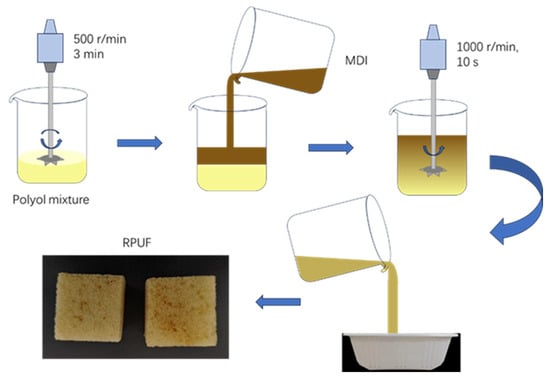
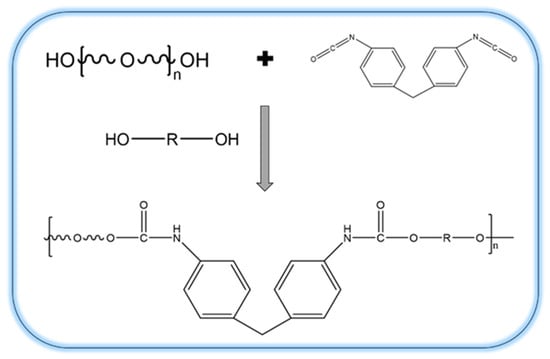
In this work, rigid polyurethane materials were synthesized via a one-step polymerization method using isocyanate (MDI) and polyether polyol (4110S) as the main raw materials, with 1, 4-butanediol (BDO), 1, 6-hexanediol (HDO), diethylene glycol (DEG), and dipropylene glycol (DPG) as chain extenders. The
[...] Read more.
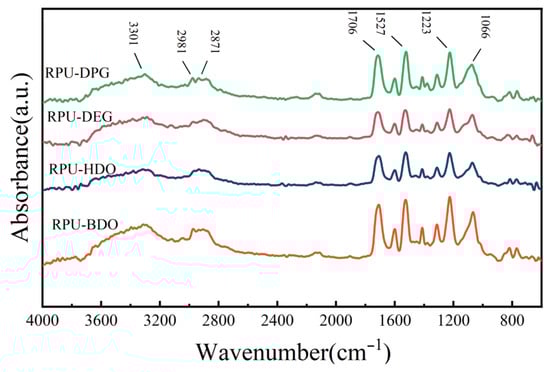
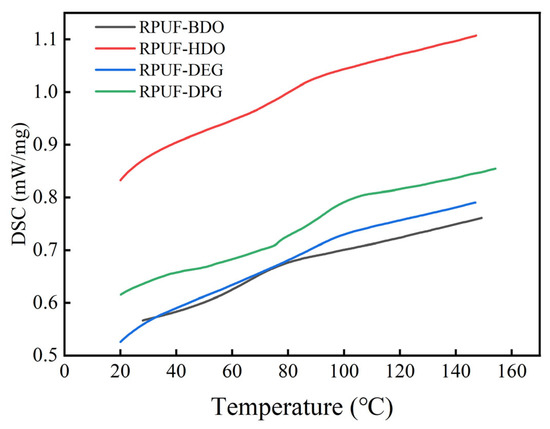
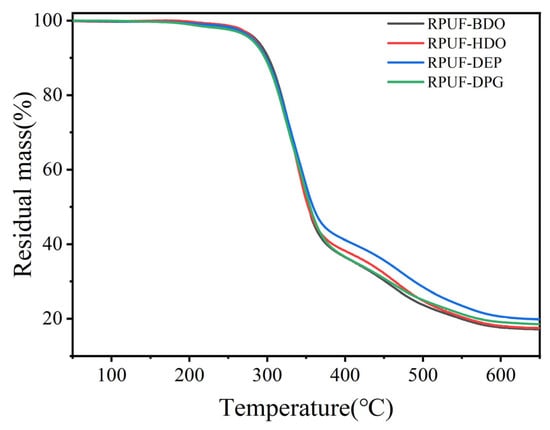
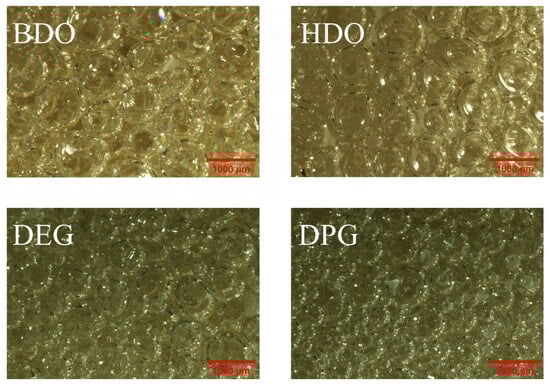
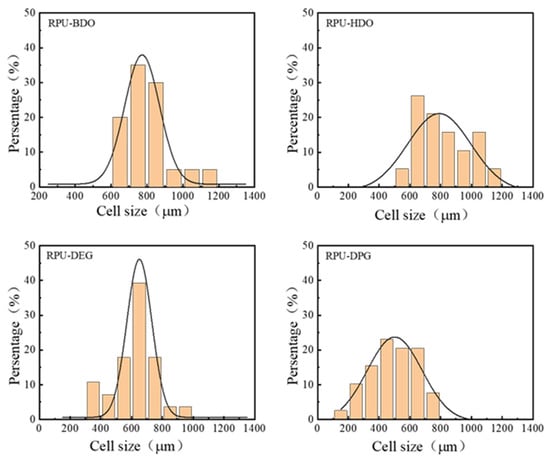
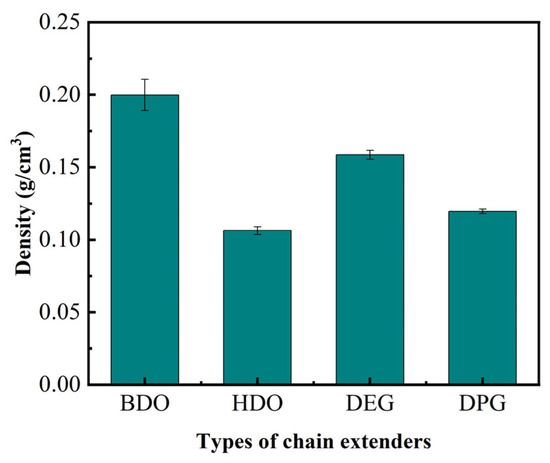
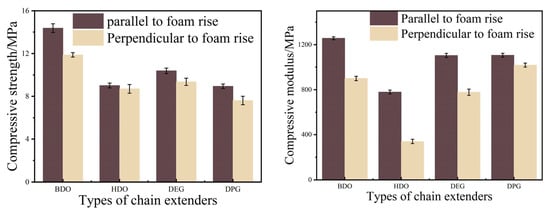
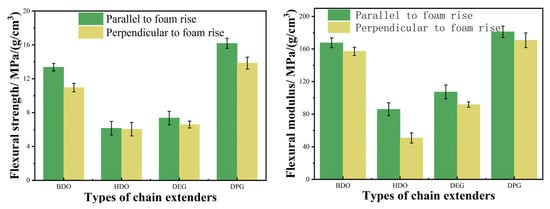
In this work, rigid polyurethane materials were synthesized via a one-step polymerization method using isocyanate (MDI) and polyether polyol (4110S) as the main raw materials, with 1, 4-butanediol (BDO), 1, 6-hexanediol (HDO), diethylene glycol (DEG), and dipropylene glycol (DPG) as chain extenders. The influence of chain extender structure on the mechanical properties of rigid polyurethane was systematically investigated. The results indicate that when BDO was employed as a chain extender, the polyurethane exhibited the most uniform pore size distribution and the best mechanical properties. It was found that hydrogen bonding plays a dual role: on the one hand, it promotes microphase separation between soft and hard segments; on the other hand, it extends the molecular chains’ length, which hinders segment separation and consequently constrains its mechanical properties. Further analysis reveals that the influence of molecular chain length on mechanical properties outweighs that of polarity.
Full article
(This article belongs to the Section Smart and Functional Polymers)
►▼
Show Figures

Figure 1
Open AccessReview
Effect of Elevated Temperature Thermal Aging/Exposure on Shear Response of FRP Composites: A Topical Review
by
Rabina Acharya and Vistasp M. Karbhari
Polymers 2026, 18(3), 354; https://doi.org/10.3390/polym18030354 (registering DOI) - 28 Jan 2026
Abstract
Fiber-reinforced polymer (FRP) composites are increasingly used in civil, marine, offshore, and energy infrastructure, where components routinely experience temperatures above ambient conditions. While the design of these components is largely driven by fiber-dominated characteristics, the deterioration of shear properties can lead to premature
[...] Read more.
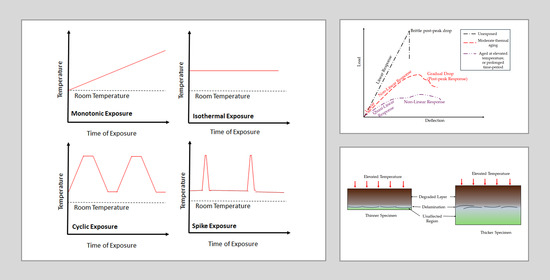
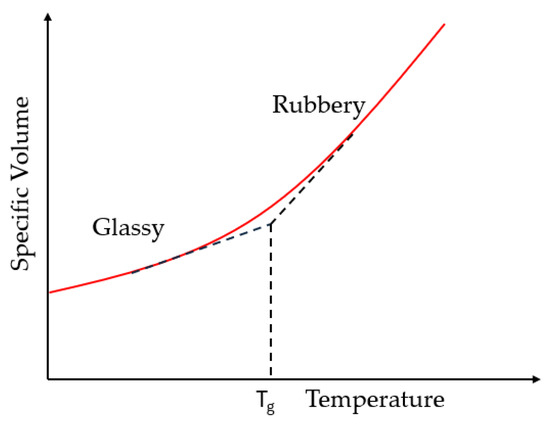
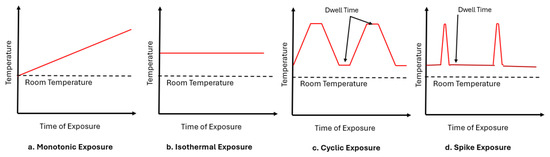
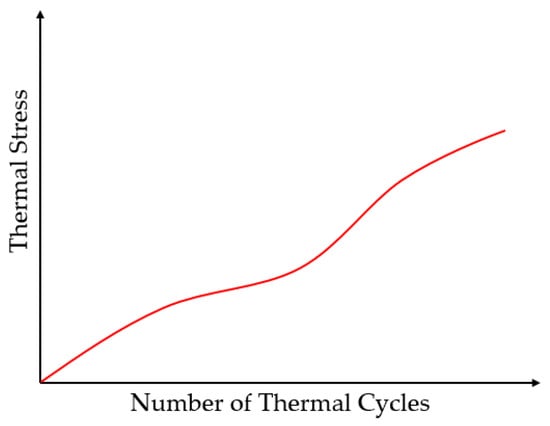
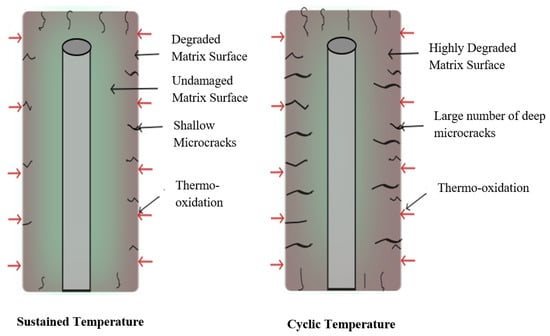
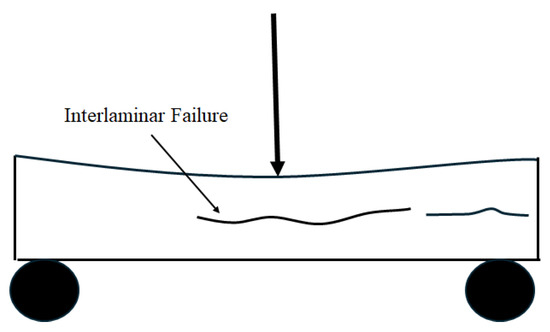
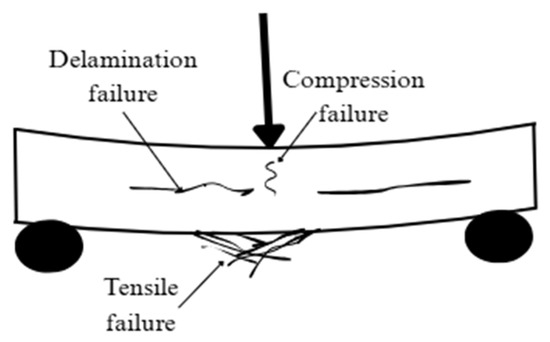
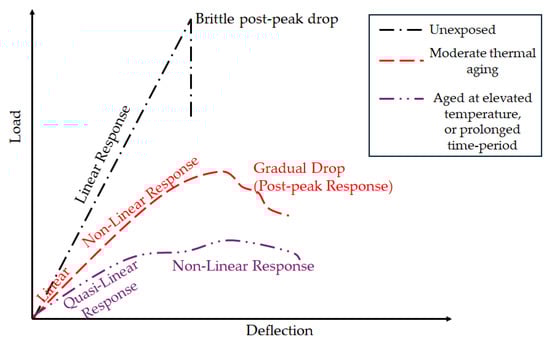
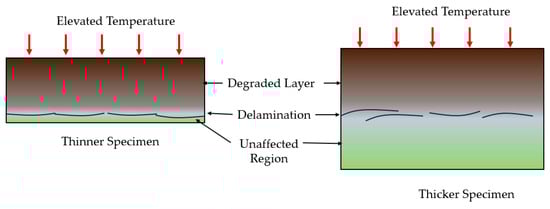
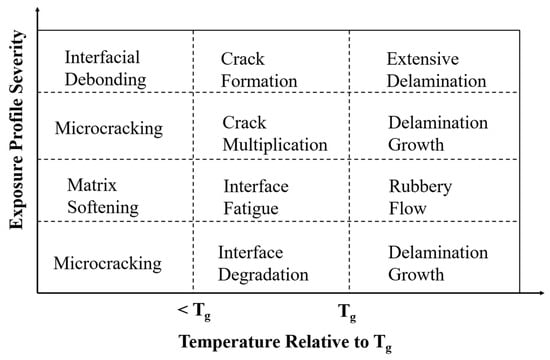
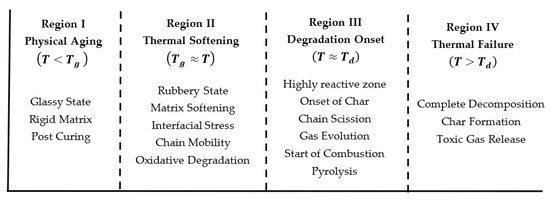
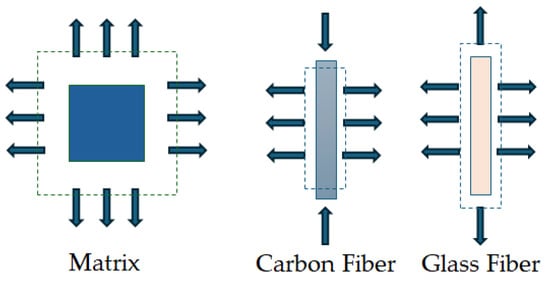
Fiber-reinforced polymer (FRP) composites are increasingly used in civil, marine, offshore, and energy infrastructure, where components routinely experience temperatures above ambient conditions. While the design of these components is largely driven by fiber-dominated characteristics, the deterioration of shear properties can lead to premature weakening and even failure. Thus, the performance and reliability of these systems depend intrinsically on the response of interlaminar shear characteristics, in-plane shear characteristics, and flexure-based shear characteristics to thermal loads ranging from uniform and monotonically increasing to cyclic and spike exposures. This paper presents a critical review of current knowledge of shear response in the presence of thermal exposure, with emphasis on temperature regimes that are below Tg in the vicinity of Tg and approaching Td. Results show that thermal exposures cause matrix softening and microcracking, interphase degradation, and thermally induced residual stress redistribution that significantly reduces shear-based performance. Cyclic and short-duration spike/flash exposures result in accelerated damage through thermal fatigue; steep thermal gradients, including through the thickness; and localized interfacial failure loading to the onset of delamination or interlayer separation. Aspects such as layup/ply orientation, fiber volume fraction, degree of cure, and the availability and permeation of oxygen through the thickness can have significant effects. The review identifies key contradictions and ambiguities, pinpoints and prioritizes areas of critically needed research, and emphasizes the need for the development of true mechanistic models capable of predicting changes in shear performance characteristics over a range of thermal loading regimes.
Full article
(This article belongs to the Special Issue Advanced Polymer Composites and Foams)
►▼
Show Figures

Graphical abstract
Open AccessArticle
Effect of Tooth Preparation Design on Fracture Resistance and Marginal Adaptation of Zirconia-Reinforced Lithium Silicate and 3D-Printed Overlays
by
Bülent Kadir Tartuk, Eyyüp Altıntaş and Mustafa Caner Akgül
Polymers 2026, 18(3), 352; https://doi.org/10.3390/polym18030352 - 28 Jan 2026
Abstract
Overlay restorations offer a conservative solution for teeth with substantial loss of tooth structure, but their success depends largely on the preparation design, material type, and fabrication technique. This study aimed to assess the effects of two different preparation designs and fabrication techniques
[...] Read more.
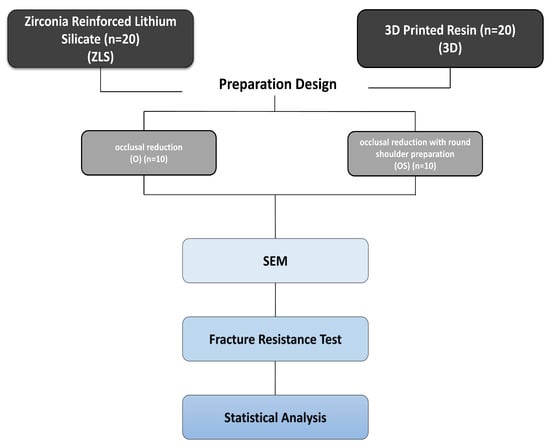
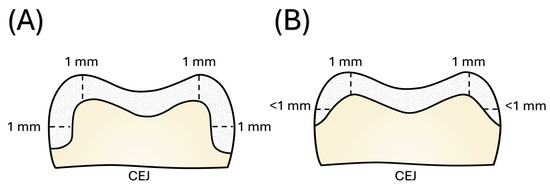
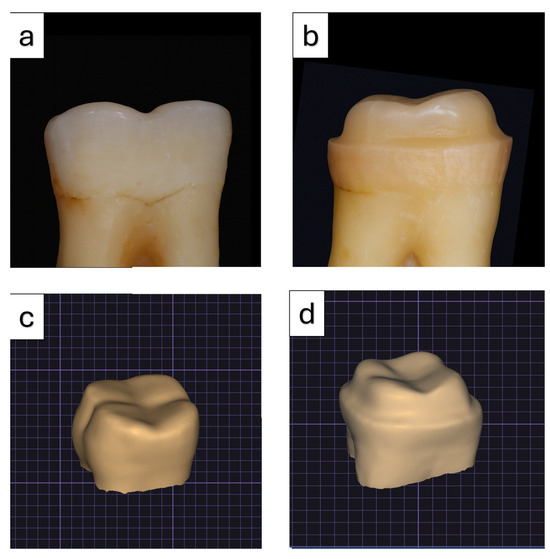
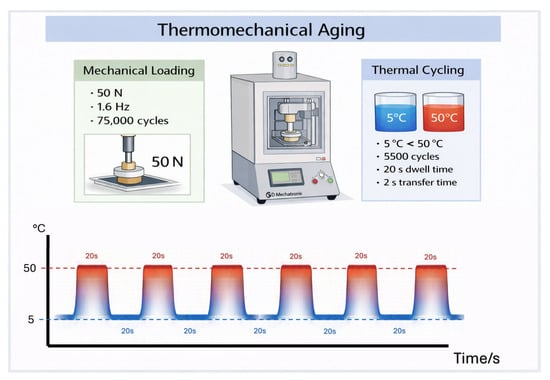
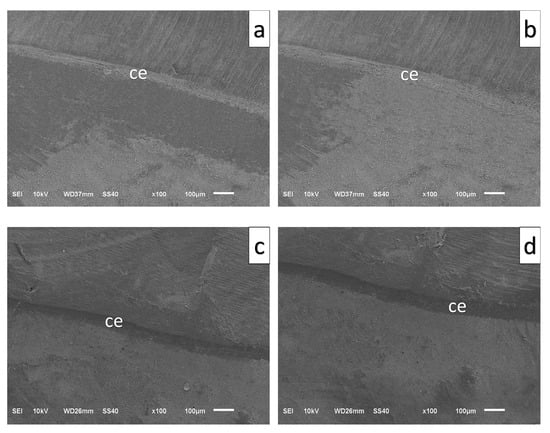
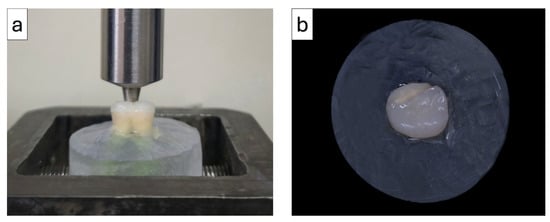
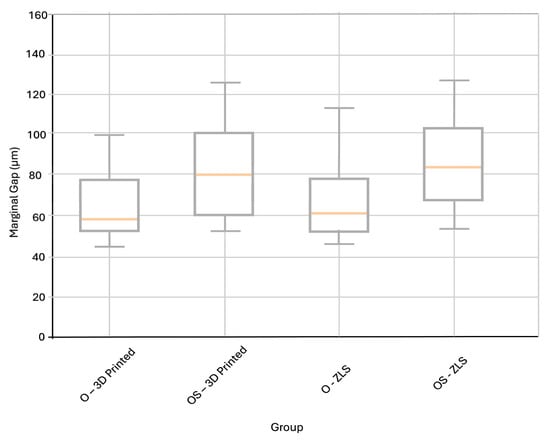
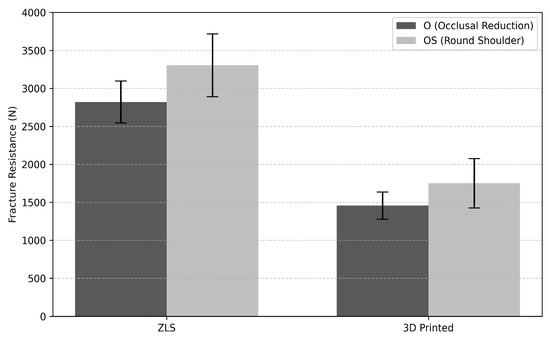
Overlay restorations offer a conservative solution for teeth with substantial loss of tooth structure, but their success depends largely on the preparation design, material type, and fabrication technique. This study aimed to assess the effects of two different preparation designs and fabrication techniques on the fracture resistance and marginal adaptation of overlays fabricated from zirconia-reinforced lithium silicate (ZLS) and 3D-printed resin. Forty extracted human molars were randomly divided into two preparation design groups: occlusal reduction (O) and occlusal reduction with a round shoulder (OS). Each group was subdivided based on the material type: ZLS or 3D-printed resin (n = 10 per subgroup). Restorations were designed using CAD and manufactured using milling (ZLS) or additive manufacturing (3D-Printed). After cementation and thermomechanical aging (5500 cycles, 5–50 °C), marginal gaps were measured at 20 predefined points using scanning electron microscopy (SEM). The fracture resistance was tested using a universal testing machine. Data were analyzed using two-way ANOVA and post hoc tests (α = 0.05). The preparation design had a significant effect on both fracture resistance and marginal adaptation (p < 0.05). Group O showed significantly smaller marginal gaps than Group OS for both materials. The ZLS overlays exhibited a significantly higher fracture resistance than the 3D-printed resin overlays. All groups demonstrated marginal gaps within the clinically acceptable range (<120 μm). The fracture resistance and marginal adaptation of overlay restorations are significantly influenced by the preparation design and material type. A simpler occlusal reduction design results in better marginal adaptation, whereas round shoulder preparations provide a higher fracture resistance. Although the 3D-printed resin showed lower fracture resistance, its marginal adaptation was comparable to that of milled restorations, suggesting its potential as a conservative and cost-effective polymer composite alternative for digitally fabricated overlay restorations.
Full article
(This article belongs to the Special Issue Challenges and Opportunities of Polymer Materials in Dentistry)
►▼
Show Figures

Figure 1
Open AccessArticle
Construction of a P/N/Zn Synergist for Enhancing the Fire Safety and Char Formation of PA6/Aluminum Diethylphosphinate Composites
by
Qinghua Peng, Yifang Hua, Jingjing Yang, Yujia Wang, Gehao Guo, Wanen Li, Jun Sun, Xiaoyu Gu, Jianhua Li and Sheng Zhang
Polymers 2026, 18(3), 351; https://doi.org/10.3390/polym18030351 - 28 Jan 2026
Abstract
Polyamide 6 is an important engineering thermoplastic; however, its practical use is often constrained by its high flammability. Although aluminum diethylphosphinate is widely employed as a flame retardant for polyamide 6, its relatively slow char-forming kinetics hinders the attainment of the stringent 750
[...] Read more.
Polyamide 6 is an important engineering thermoplastic; however, its practical use is often constrained by its high flammability. Although aluminum diethylphosphinate is widely employed as a flame retardant for polyamide 6, its relatively slow char-forming kinetics hinders the attainment of the stringent 750 °C glow-wire ignition temperature required for electrical applications at moderate loadings. To address this limitation, a synergist was fabricated via the self-assembly of phytic acid, benzoguanamine, and ZnSO4·7H2O and subsequently incorporated to enhance the char-forming capability and flame retardancy of polyamide 6/aluminum diethylphosphinate composites. The results revealed that the synergist acted as an efficient charring promoter, improving flame retardancy. At a total loading of 15 wt%, the composite reached a UL-94 V-0 rating and high limiting oxygen index of 30.7%. Cone calorimetry data indicate that the peak heat release rate decreased by 34.0%, and the smoke production rate decreased by 33.3% compared with the polyamide 6/aluminum diethylphosphinate composites. Mechanistic analysis indicated that the synergist catalyzed the carbonization of the polyamide 6, enabling the formation of a dense thermally insulating char barrier in the condensed phase. Notably, the optimized formulation achieved a glow-wire ignition temperature of 750 °C, demonstrating its strong potential for high-safety electrical applications.
Full article
(This article belongs to the Special Issue Challenges and Innovations in Fire Safety Polymeric Materials)
Open AccessArticle
Sealing Performance of Phenyl-Silicone Rubber Based on Constitutive Model Under Thermo-Oxidative Aging
by
Haiqiang Shi, Jian Wu, Zhihao Chen, Pengtao Cao, Tianxiao Zhou, Benlong Su and Youshan Wang
Polymers 2026, 18(3), 350; https://doi.org/10.3390/polym18030350 - 28 Jan 2026
Abstract
Phenyl-silicone rubber is the elastomer of choice for cryogenic and high-temperature static seals, yet quantitative links between thermo-oxidative aging and sealing reliability are still lacking. Here, sub-ambient (−70 °C to 25 °C) and room-temperature mechanical tests, compression set aging, SEM, FT-IR, and finite-element
[...] Read more.
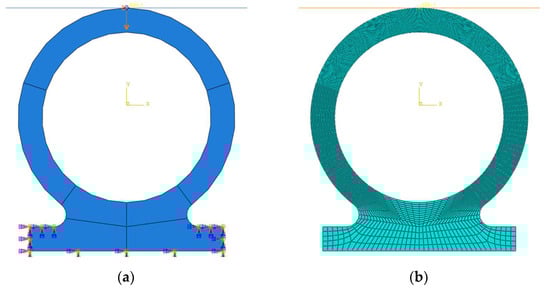
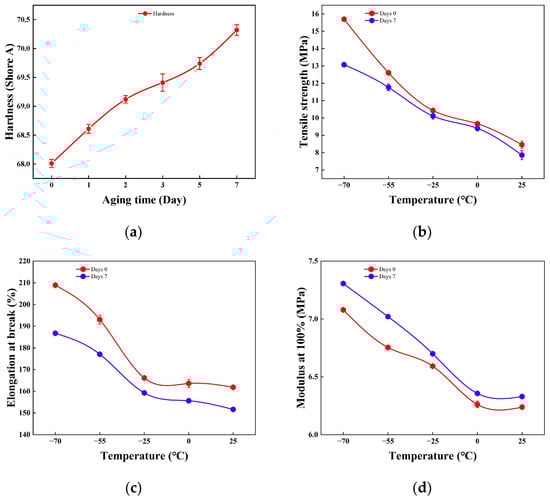
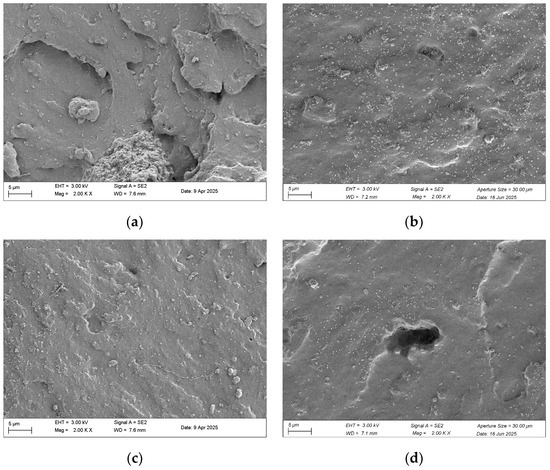
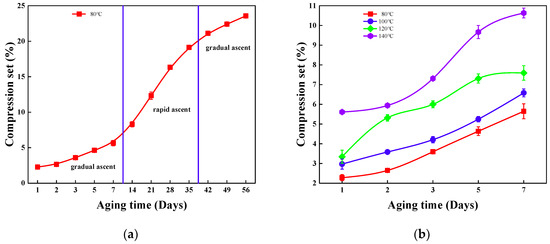
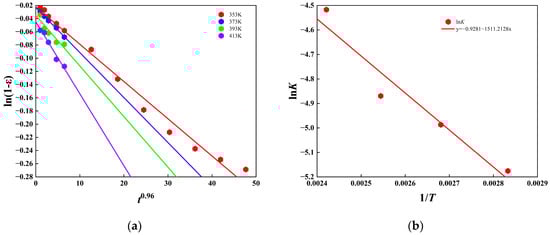
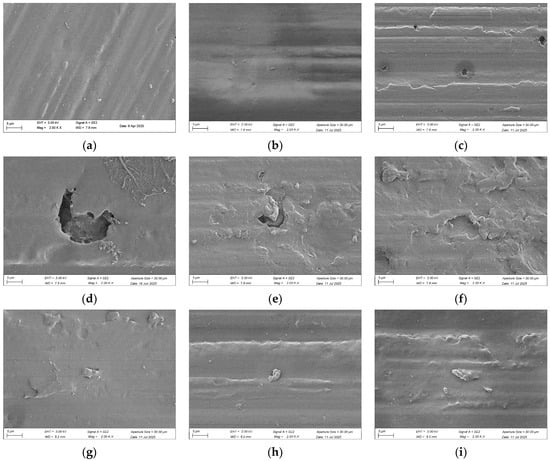
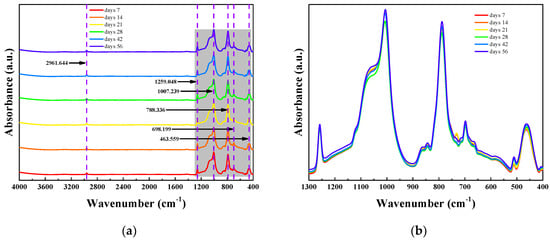
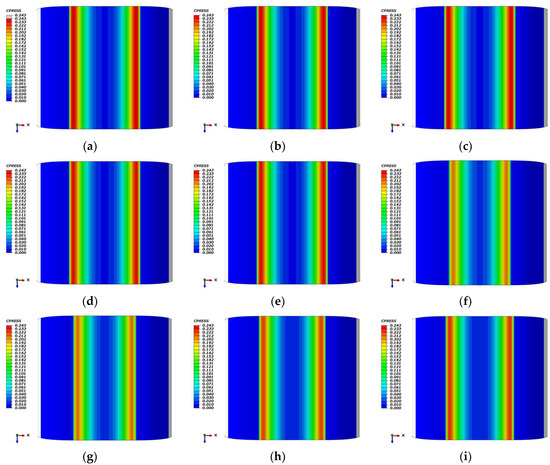
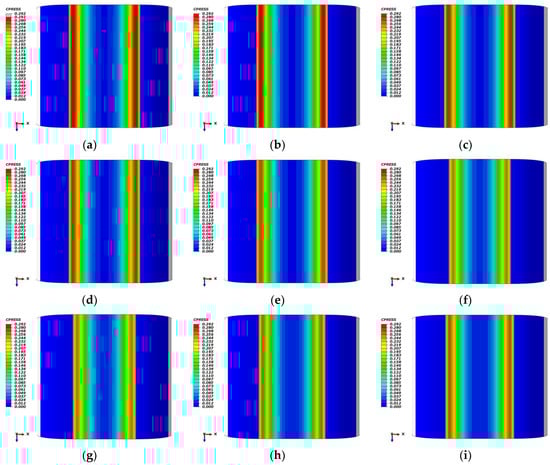
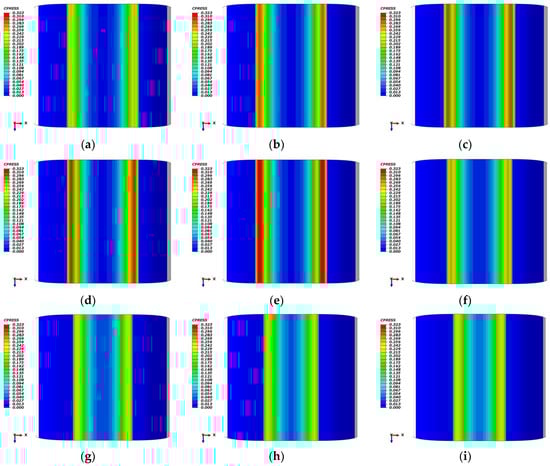
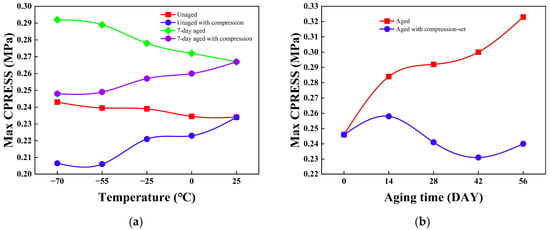
Phenyl-silicone rubber is the elastomer of choice for cryogenic and high-temperature static seals, yet quantitative links between thermo-oxidative aging and sealing reliability are still lacking. Here, sub-ambient (−70 °C to 25 °C) and room-temperature mechanical tests, compression set aging, SEM, FT-IR, and finite-element simulations are integrated to trace how aging translates into contact-pressure decay of an Omega-profile gasket. Compression set rises monotonically with time and temperature; an Arrhenius model derived from 80 to 140 °C data predicts 34 d (10% set) and 286 d (45% set) of storage life at 25 °C. SEM reveals a progressive shift from ductile dimple fracture to brittle, honeycomb porosity, while FT-IR confirms limited surface oxidation without bulk chain scission. Finite element analyses show that contact pressure always peaks at the two lateral necks; short-term aging increases in the shear modulus C10 from 1.87 to 2.27 MPa, raising CPRESS by 8~21%, yet this benefit is ultimately offset by displacement loss from compression set (8.0 mm to 6.1 mm), yielding a net pressure reduction of 0.006 MPa. Critically, even under the most severe coupled condition (56 days aging with compression set), the predicted CPRESS remains above the 0.1 MPa leak-tightness criterion across the entire cryogenic service envelope. This framework provides deterministic boundaries for temperature, aging duration, and allowable preload relaxation, enabling risk-informed maintenance and replacement scheduling for safety-critical phenyl-silicone seals.
Full article
(This article belongs to the Special Issue Constitutive Modeling of Polymer Matrix Composites)
►▼
Show Figures

Figure 1
Open AccessArticle
Experimental Study on the Modified P–V–T Model to Improve Shrinkage Prediction for Injection-Molded Semi-Crystalline Polymer
by
Shia-Chung Chen, Yan-Xiang Liang, Chi-Je Ding and Yu-Hung Ting
Polymers 2026, 18(3), 349; https://doi.org/10.3390/polym18030349 - 28 Jan 2026
Abstract
Shrinkage of injection-molded parts is a major challenge for dimensional accuracy, especially for semi-crystalline polymers where crystallization induces pronounced volume change and heat release during cooling. Because packing pressure is effective only before gate or local solidification, multi-stage packing is commonly used to
[...] Read more.
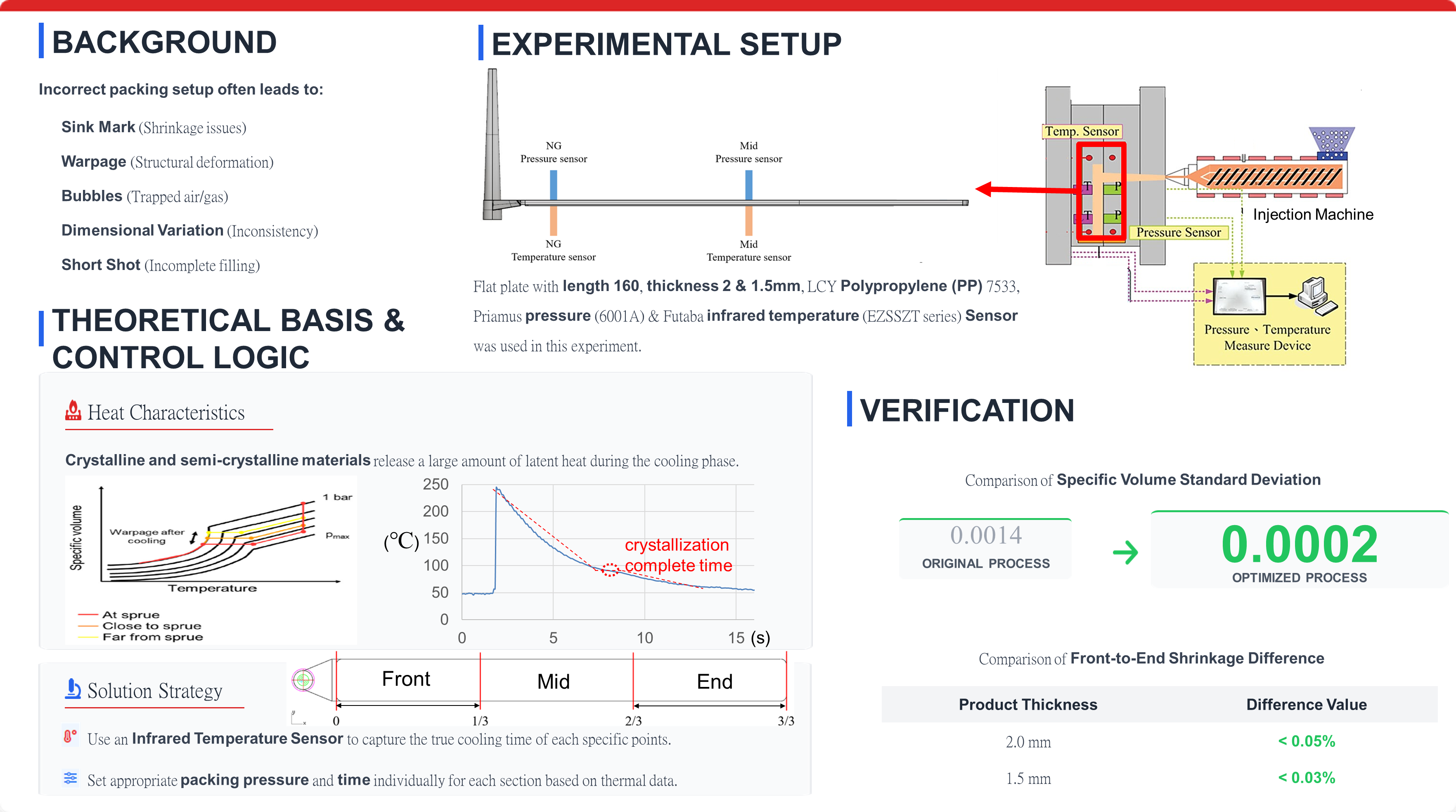
Shrinkage of injection-molded parts is a major challenge for dimensional accuracy, especially for semi-crystalline polymers where crystallization induces pronounced volume change and heat release during cooling. Because packing pressure is effective only before gate or local solidification, multi-stage packing is commonly used to regulate the overall shrinkage behavior. In practice, however, the solidification/transition temperature taken from standard material tests does not necessarily represent the actual in-cavity state behavior under specific cooling rate and pressure history, which compromises the consistency of P–V–T-based shrinkage prediction. In this study, a modified P–V–T-based framework (Tait equation) is developed for polypropylene (PP) by introducing a Thermal Enthalpy Transformation Method (TETM) to determine a process-relevant solidification time and crystallization-completion temperature (including the corresponding target specific volume) directly from in-cavity melt temperature monitoring using an infrared temperature sensor. The novelty TETM utilizes the crystallization-induced enthalpy release to identify the temperature–time plateau, from which one can identify the effective solidification point. Because the Tait equation adopts a two-domain formulation (molten and solidified states), accurate identification of the domain-switching temperature is critical for reliable shrinkage prediction in practical molding conditions. In the experiment execution, the optimum filling time was defined using the minimum pressure required for melt-filling. Four target specific volumes, three melt temperatures, and two mold temperatures were examined, and a two-stage packing strategy was implemented to achieve comparable shrinkage performance under different target specific volumes. A conventional benchmark based on the solidification temperature reported in the Moldex3D material database was used for comparison only. The results show that the target specific volume determined by the TETM exhibits a more consistent and near-linear relationship with the measured shrinkage rate, demonstrating that the TETM improves the robustness of solidification-time identification and the practical usability of P–V–T information for shrinkage control.
Full article
(This article belongs to the Special Issue Advances in Polymer Processing Technologies: Injection Molding)
►▼
Show Figures

Graphical abstract
Open AccessArticle
Preparation of Low-Surface-Energy SSBR@FA Hybrid Fillers via Solution Mechanochemical Approach and Its Enhancement in Mechanical Strength on the Modified FA/SBR Composites
by
Wei Gao, Jiangshan Zhao, Wei Qi, Zhaohui Huang, Guofeng Liu, Chuanqi Feng, Chao Sang, Xiujuan Wang and Xiaolei Zhang
Polymers 2026, 18(3), 348; https://doi.org/10.3390/polym18030348 - 28 Jan 2026
Abstract
Owing to the substantial polarity difference and weak interfacial interaction, the large-scale application of fly ash (FA) in rubber materials still faces substantial challenges. To solve this issue, this study prepared a modified hybrid SSBR@FA filler through a solution mechanochemical reaction between solution-polymerized
[...] Read more.
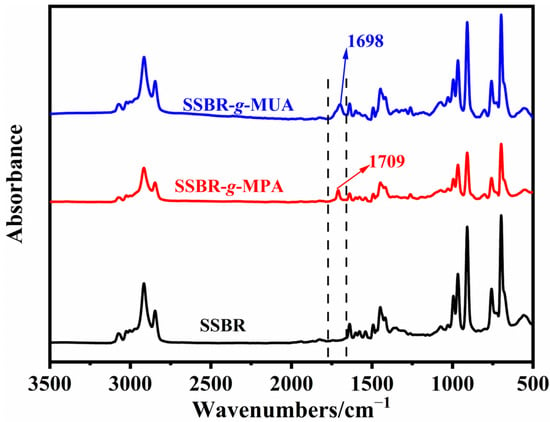
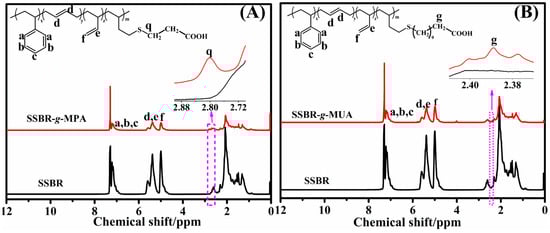
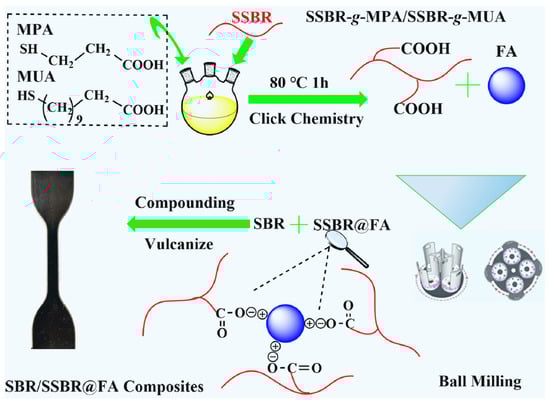
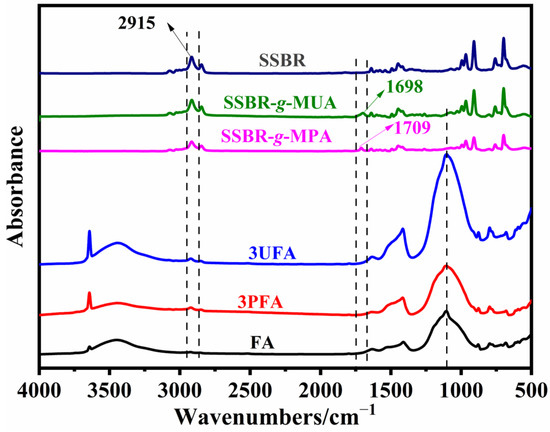
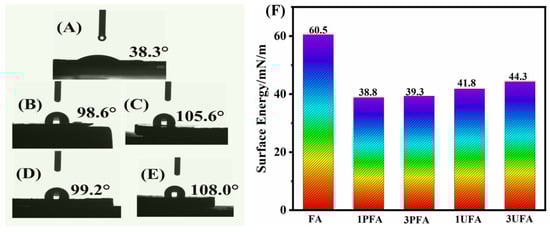
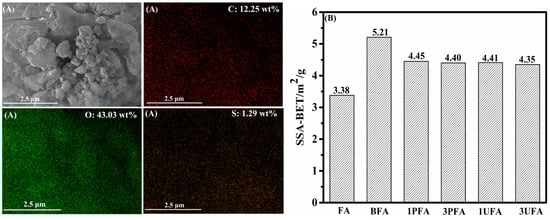
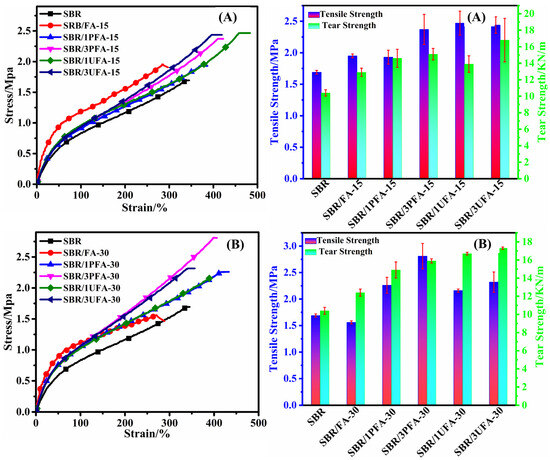
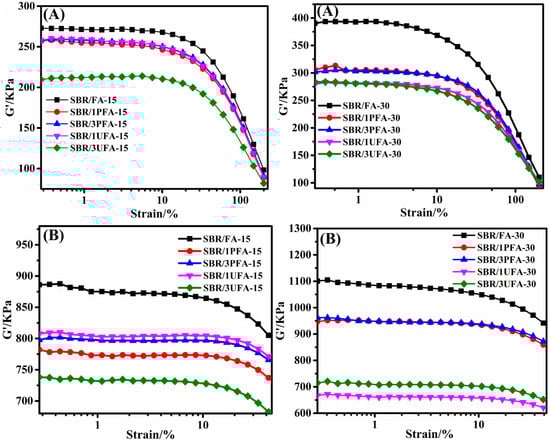
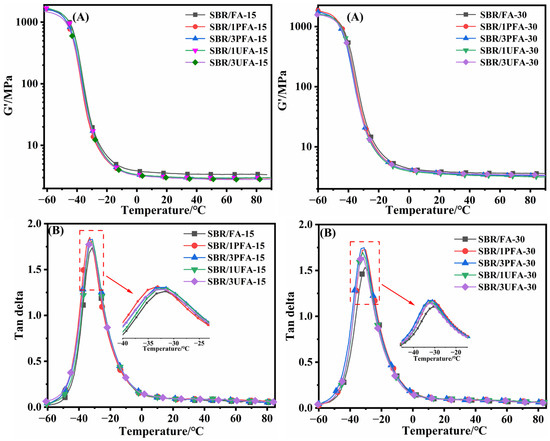
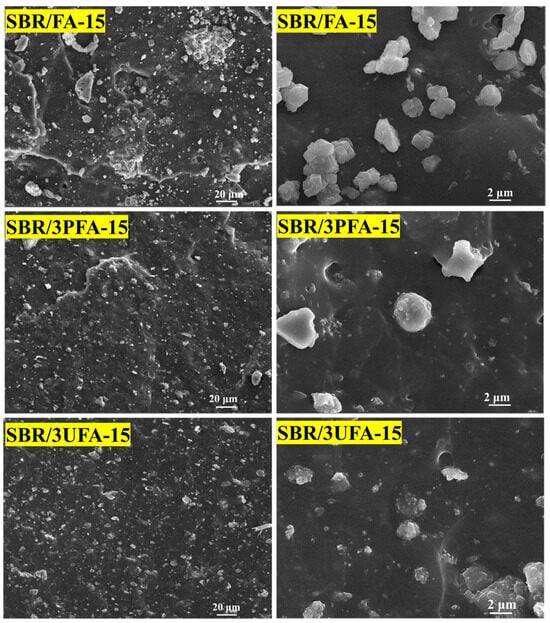
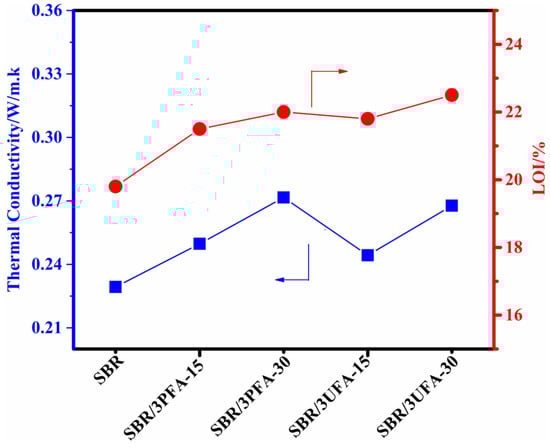
Owing to the substantial polarity difference and weak interfacial interaction, the large-scale application of fly ash (FA) in rubber materials still faces substantial challenges. To solve this issue, this study prepared a modified hybrid SSBR@FA filler through a solution mechanochemical reaction between solution-polymerized styrene-butadiene rubber (SSBR) and FA in a lab planetary ball mill. Fourier transform infrared spectroscopy (FTIR) and energy-dispersive spectroscopy (EDS) analyses demonstrated the in situ grafting-neutralization between the carboxyl in the SSBR chains and metal oxides in FA. Transmission electron microscopy (TEM) showed that surface-grafted SSBR formed a rubber-constrained layer on FA particle surfaces, which can reduce their surface energy and improve the wettability between FA and SBR matrix. Compared with the SBR vulcanizate, the mechanical properties, thermal conductivity, and flame-retardant properties of the SBR/SSBR@FA vulcanizates were obviously improved. This was because of the uniform distribution of FA and the improved interfacial interaction between FA and the rubber matrix. For example, the tensile strength, tear strength, and elongation at break increased by 66.3%, 52.9%, and 17.7%, respectively. This easy, efficient, and environmentally modified method for FA was expected offer a practical and creative solution for its application in rubber manufacturing.
Full article
(This article belongs to the Special Issue Polymer-Based Flexible Materials, 3rd Edition)
►▼
Show Figures

Figure 1
Open AccessArticle
Specific Impact of the Layered Nanomodifiers, Graphene Nanoplates, and Na+ Montmorillonite on Thermal Degradation of Polylactic Acid: Mechanism and Kinetics
by
Sergey Lomakin, Elena Koverzanova, Sergey Usachev, Natalia Shilkina, Anatoliy Khvatov, Natalia Erina, Svetlana Rogovina, Olga Kuznetsova, Valentina Siracusa, Alexander Berlin and Alexey Iordanskii
Polymers 2026, 18(3), 347; https://doi.org/10.3390/polym18030347 - 28 Jan 2026
Abstract
The aim of this study is to investigate the impact of layered nanomodifiers with distinct chemical structure and morphology, namely graphene nanoplates (GnP) and sodium montmorillonite (Na-MMT), on thermal degradation of polylactic acid (PLA). The exploration was performed with thermogravimetric analysis (TGA), differential
[...] Read more.
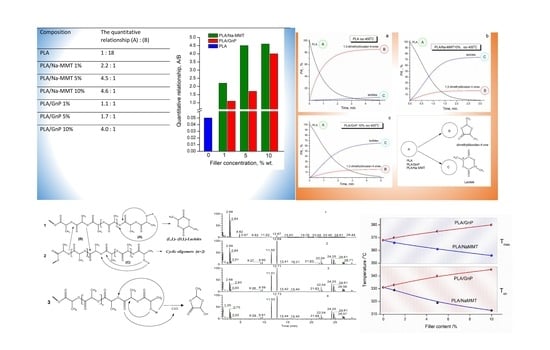
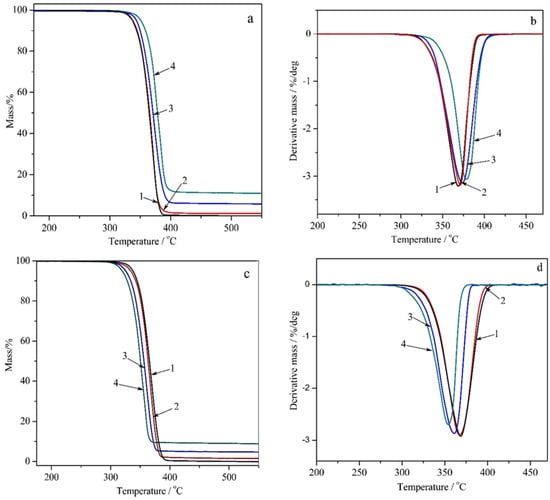
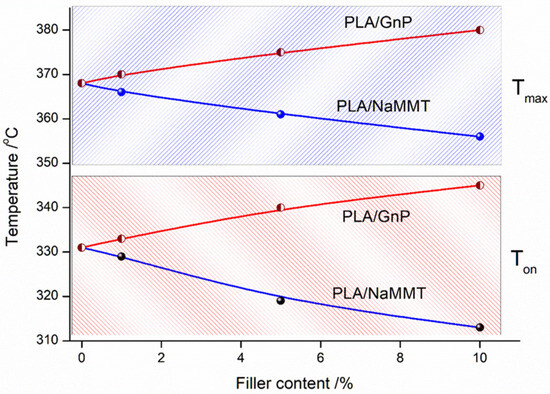
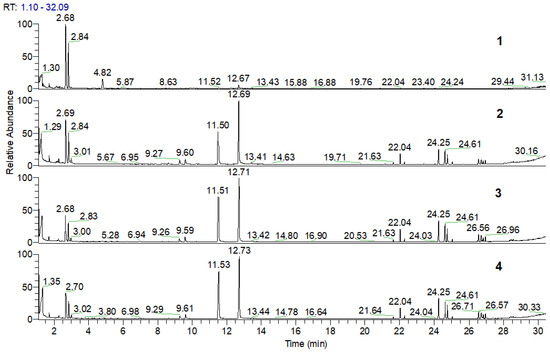
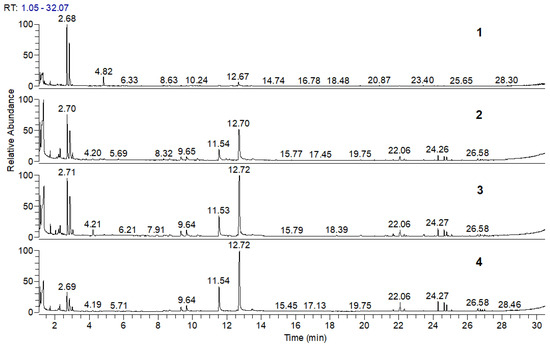
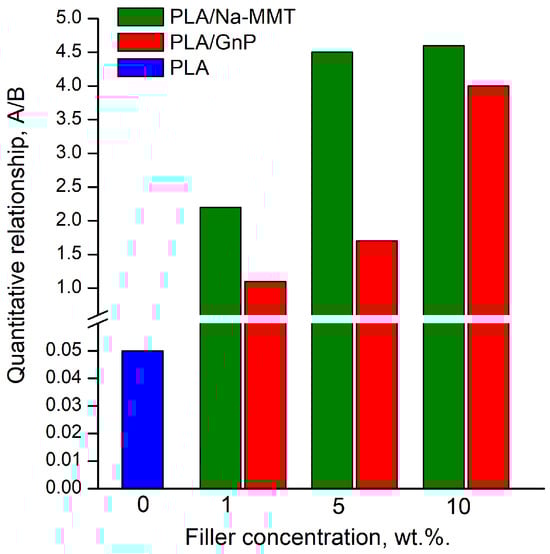
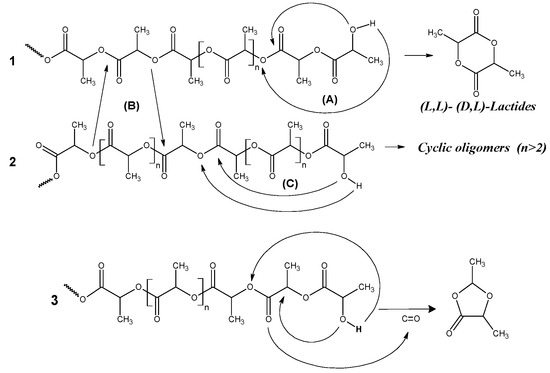
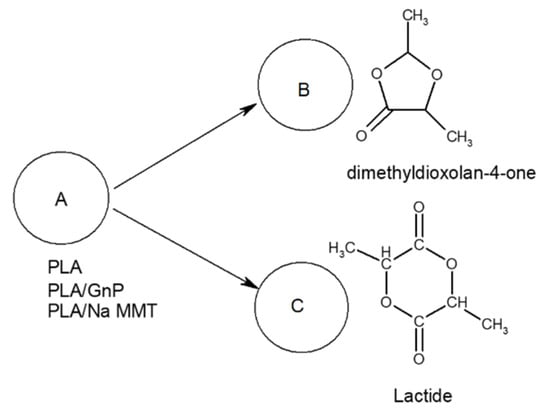
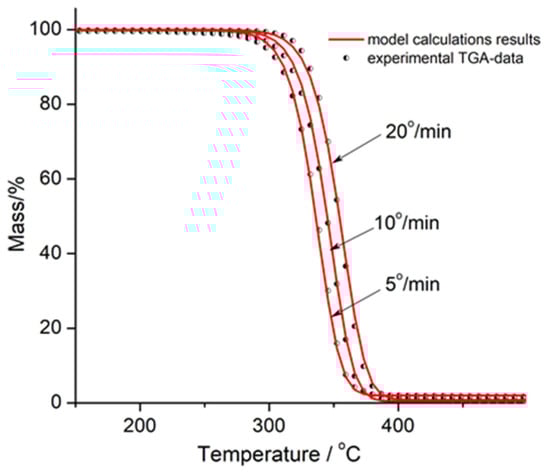
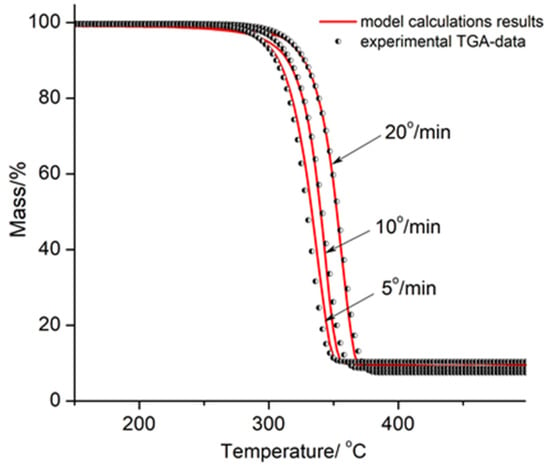
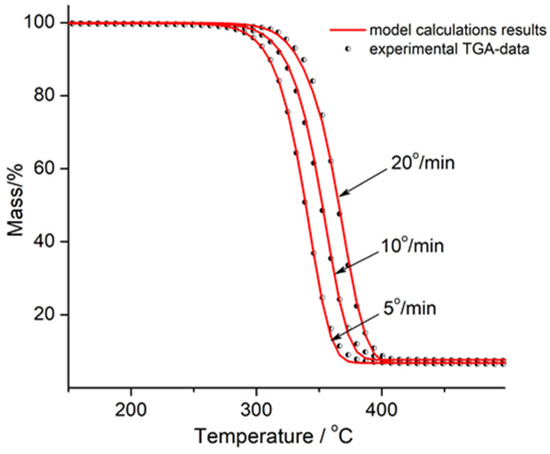
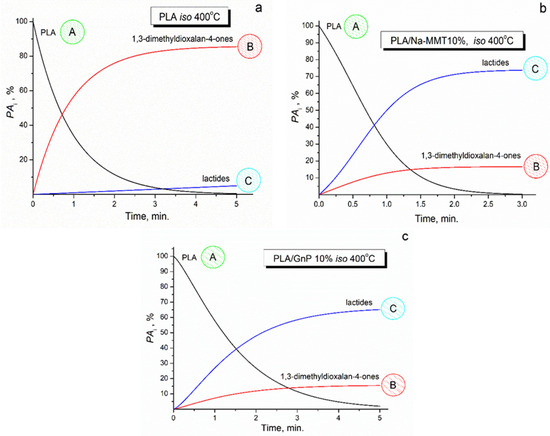
The aim of this study is to investigate the impact of layered nanomodifiers with distinct chemical structure and morphology, namely graphene nanoplates (GnP) and sodium montmorillonite (Na-MMT), on thermal degradation of polylactic acid (PLA). The exploration was performed with thermogravimetric analysis (TGA), differential scanning calorimetry (DSC), and pyrolytic gas chromatography–mass spectrometry (PyGCMS). The findings revealed a catalytic effect of Na-MMT on PLA thermal destabilization, manifested in accelerated degradation and the notable change in the composition of pyrolysis products. In contrast, the incorporation of graphene nanoplates into the PLA matrix induced a “barrier effect”: it imposed diffusion limitations on the emission of volatile degradation products during pyrolysis, which enhanced the thermal stability of the PLA/GnP composite and led to quantitative alterations in the distribution of major pyrolysis products. To elucidate the underlying degradation pathways, authors proposed a model kinetic analysis of thermal degradation for both PLA/GnP and PLA/Na-MMT composites. The analysis clearly distinguished the mechanistic differences between the two systems: while Na-MMT promotes catalytic decomposition, GnP primarily acts as the physical barrier retarding mass transport and delaying the thermal degradation development. Good alignment of theoretical model–kinetic predictions with Pyrolysis–GC/MS observations confirms the robustness of the suggested kinetic modeling method.
Full article
(This article belongs to the Special Issue Degradation and Stability of Polymer-Based Systems: 2nd Edition)
►▼
Show Figures

Graphical abstract
Open AccessArticle
Synthesis and Characterization of Cellulose and IPN (Cellulose/PVA) Hydrogels and Their Application in Dye Retention
by
Meriem Mihoub, Salah Hamri, Marcel Popa, Camelia Elena Tincu (Iurciuc), Tewfik Bouchaour, Lamia Bedjaoui-Alachaher, Usman Abubakar Katsina and Mutawakkil Muhammad
Polymers 2026, 18(3), 346; https://doi.org/10.3390/polym18030346 - 28 Jan 2026
Abstract
The discharge of dye-contaminated effluents from textile industries into water bodies poses a severe threat to aquatic ecosystems and human health. To address this challenge, cellulose and interpenetrating polymer network (IPN) hydrogels based on cellulose and poly(vinyl alcohol) (PVA) were developed via an
[...] Read more.
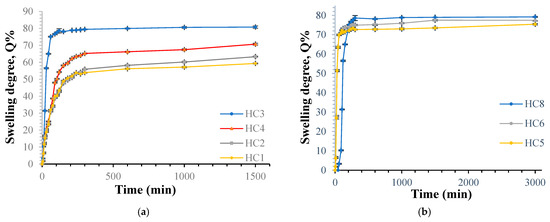
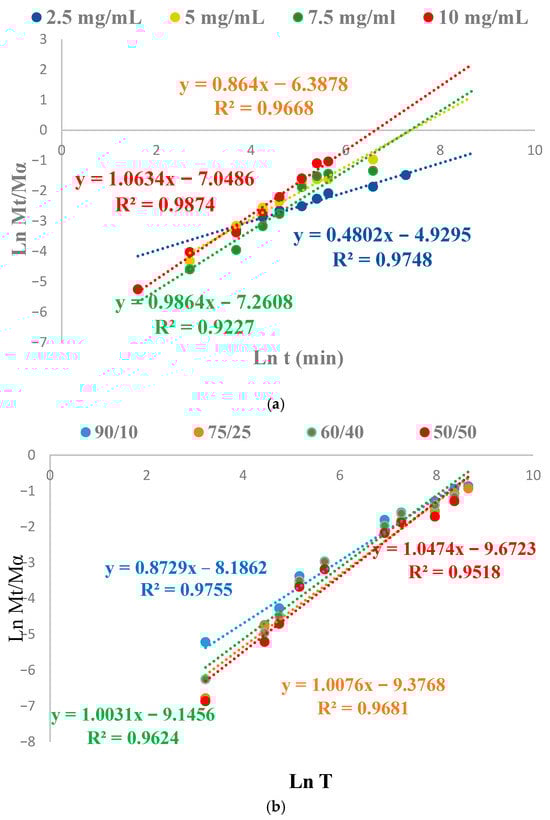
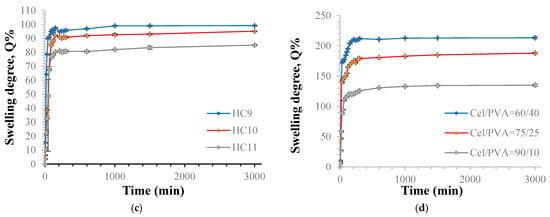
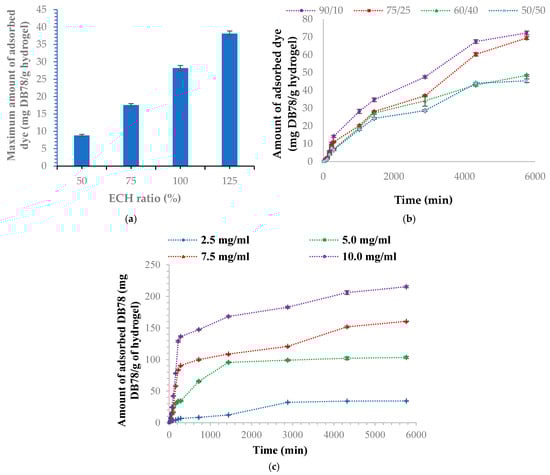
The discharge of dye-contaminated effluents from textile industries into water bodies poses a severe threat to aquatic ecosystems and human health. To address this challenge, cellulose and interpenetrating polymer network (IPN) hydrogels based on cellulose and poly(vinyl alcohol) (PVA) were developed via an in situ synthesis method. The cellulose solution was obtained by cold dissolving the polysaccharide in NaOH, then dissolving PVA. The IPN hydrogels were obtained by co-cross-linking the two polymers in an alkaline medium using ECH. To optimize the hydrogels, synthesis parameters like time (4–7 h), temperature (50–80 °C), and cross-linking ratio (ECH = 50–125% w/w) were varied. Different hydrogel compositions (Cel/PVA = 90/10 to 60/40 w/w) were tested for their absorption efficiency in removing Tubantin Blue (DB 78) dye under varying initial concentrations and temperatures. Hydrogels exhibit varying adsorption capacities for DB78, depending on their IPN composition, synthesis parameters, and dye concentration. Specifically, IPN adsorption capacity ranges from 8.8 to 38.1 mg DB78/g hydrogel (7.5–36.2% efficiency). At high effluent concentrations, IPN can reach a retention capacity of 217.7 mg/g, achieving a retention efficiency of 58.4%. Cellulose and cellulose/PVA IPN hydrogels show promise as sustainable adsorbents for treating dye-contaminated wastewater.
Full article
(This article belongs to the Special Issue Polymeric Materials for Wastewater Treatment Applications, 2nd Edition)
►▼
Show Figures

Figure 1
Open AccessArticle
Adsorptive Decolorization of a Disodium Terephthalate Solution from Monomer Recycling of Polyester
by
Charlotte Lücking, Mandy Paschetag and Stephan Scholl
Polymers 2026, 18(3), 345; https://doi.org/10.3390/polym18030345 - 28 Jan 2026
Abstract
The global economy is increasingly faced with the challenge of accepting its responsibility for recycling polyester textile waste. With back-to-monomer recycling technologies, PET can be recycled to its monomers, terephthalic acid and ethylene glycol. The recycling of polyester-containing textiles requires the complete separation
[...] Read more.
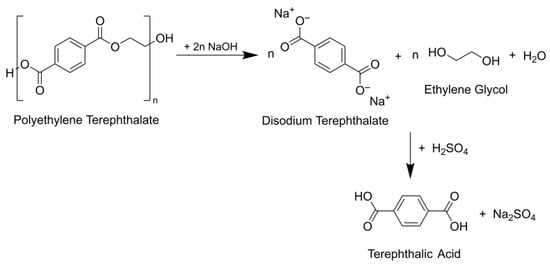
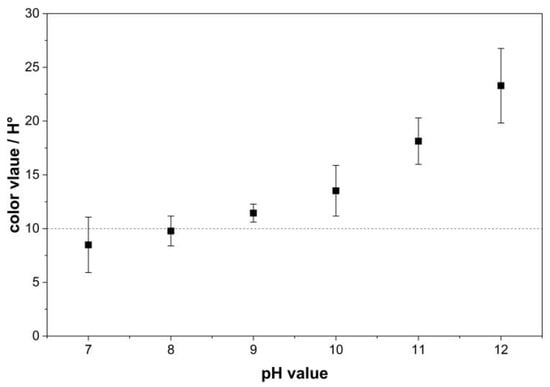
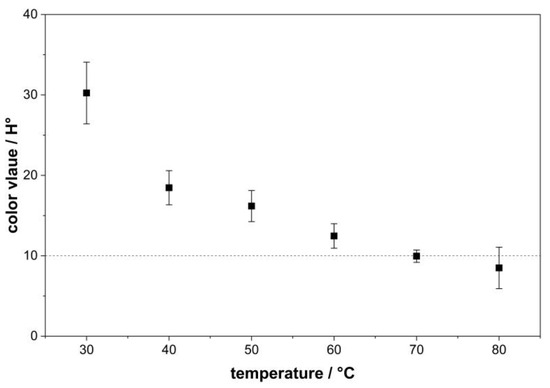
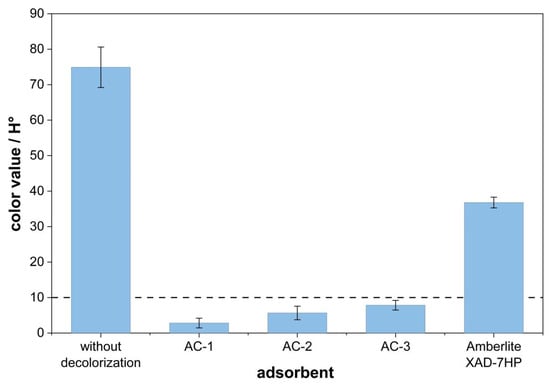
The global economy is increasingly faced with the challenge of accepting its responsibility for recycling polyester textile waste. With back-to-monomer recycling technologies, PET can be recycled to its monomers, terephthalic acid and ethylene glycol. The recycling of polyester-containing textiles requires the complete separation of all contaminating materials, dyes, and additives, which can only be achieved by depolymerization technologies. This article presents the adsorptive decolorization of a disodium terephthalate solution from the alkaline hydrolysis of polyester textile waste. The influence of different adsorbents, temperature (30–80 °C), and pH value (7–12) on the adsorptive decolorization process is investigated. As a result, activated carbons for decolorization have been identified. It was found that the adsorption process is favorable at neutral pH and a temperature of 80 °C. The findings show that a color value within the industrial specification can be obtained for recycled terephthalic acid using activated carbon adsorption. This adds a key step for high-quality textile-to-textile recycling and thus contributes to a circular economy for polyester.
Full article
(This article belongs to the Special Issue Chemical Recycling of Polymers, 2nd Edition)
►▼
Show Figures

Figure 1
Open AccessArticle
Influence of Interface Inclination Angle and Connection Method on the Failure Mechanisms of CFRP Joints
by
Junhan Li, Afang Jin, Wenya Ruan, Junpeng Yang, Fengrong Li and Xiong Shu
Polymers 2026, 18(3), 344; https://doi.org/10.3390/polym18030344 - 28 Jan 2026
Abstract
Carbon fiber reinforced polymers (CFRPs) are widely used in aerospace and wind power applications, but the complex failure mechanisms of their connection structures pose challenges for connection design. This study aims to investigate the influence of bonding interface inclination angle and connection method
[...] Read more.
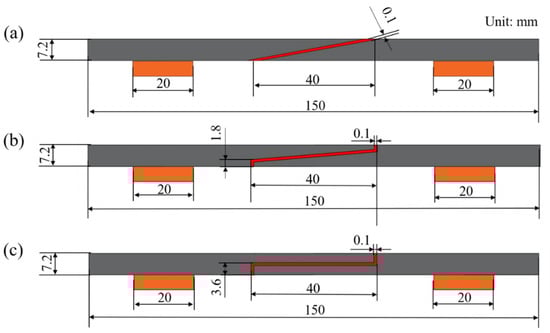
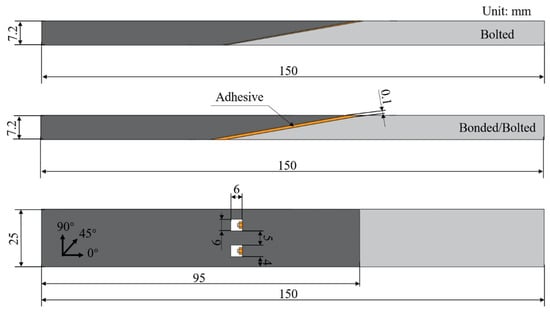
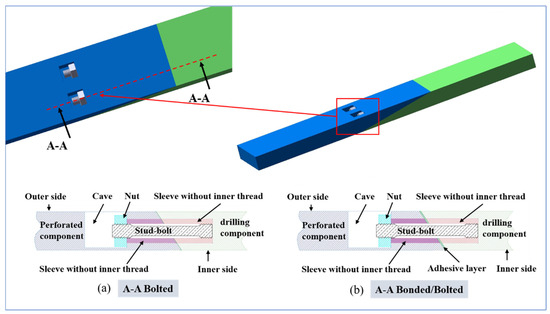
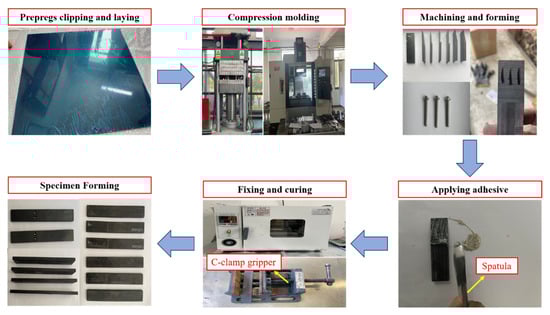
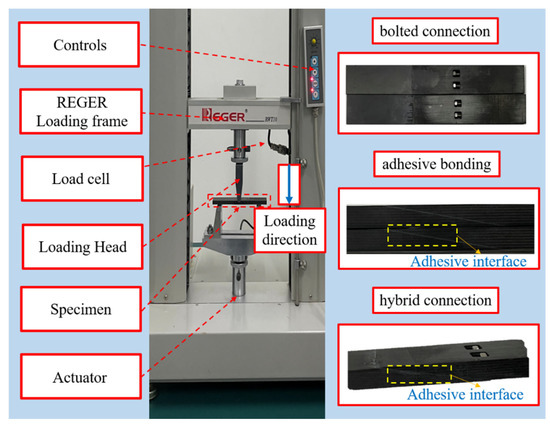
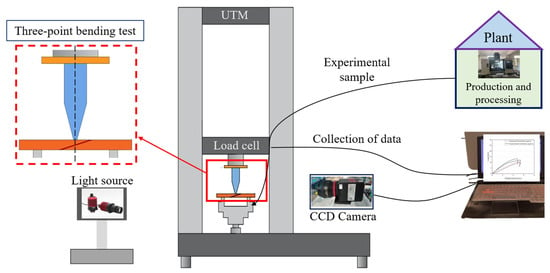
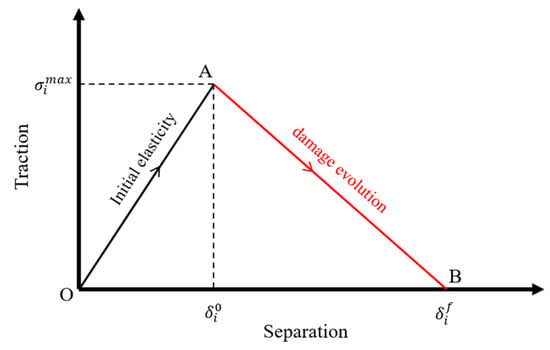
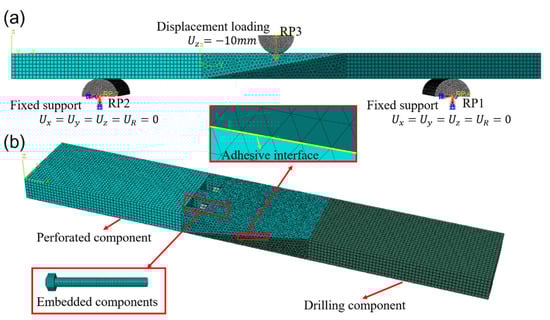
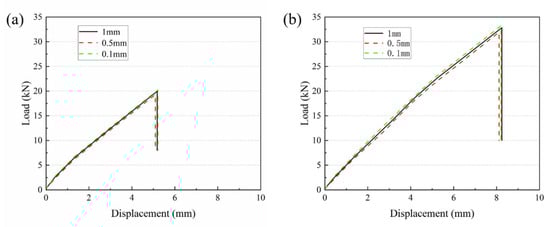
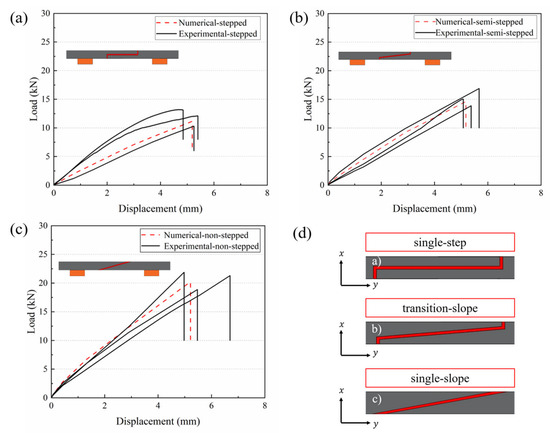
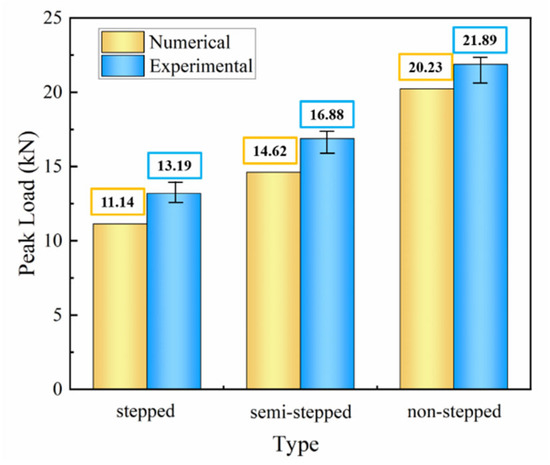
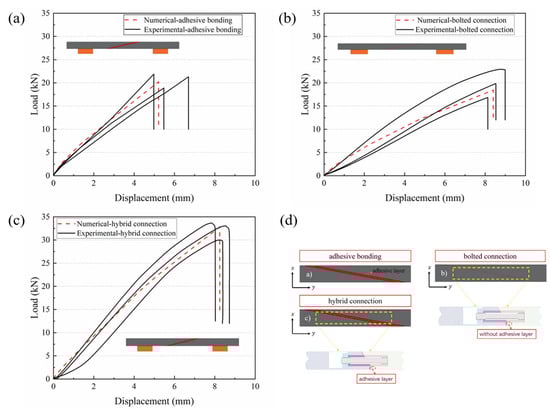
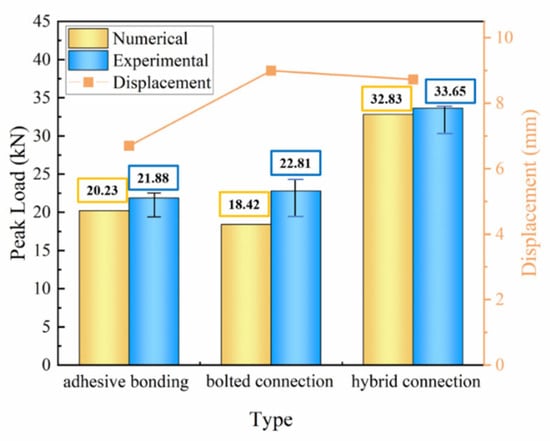
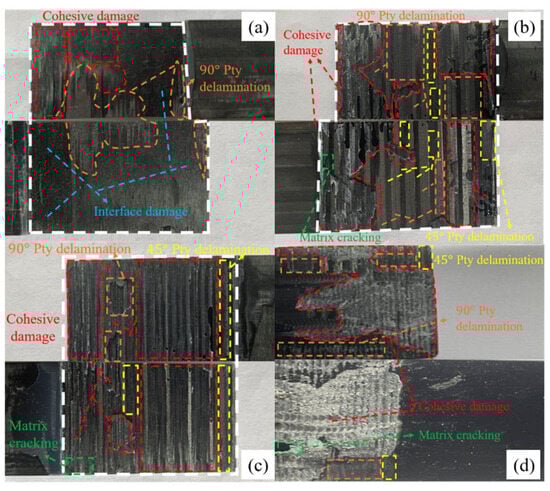
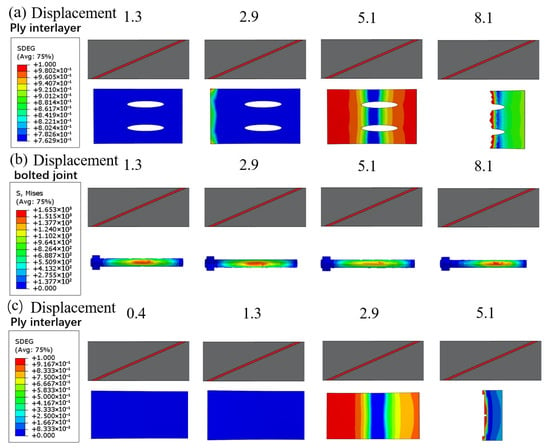
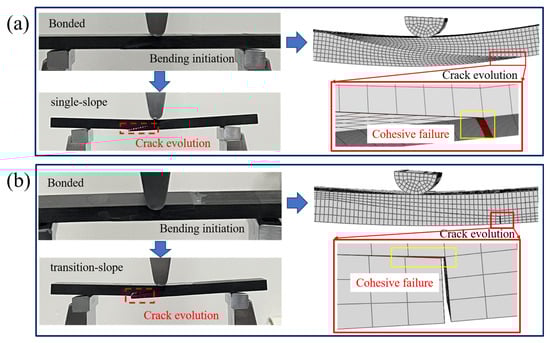
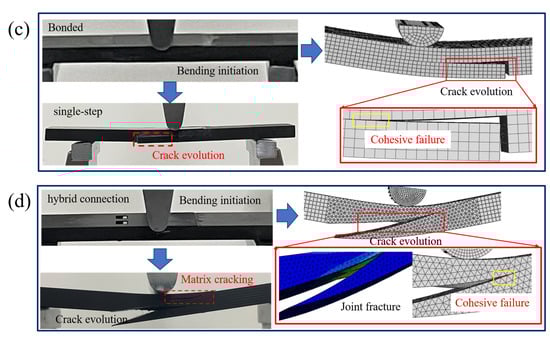
Carbon fiber reinforced polymers (CFRPs) are widely used in aerospace and wind power applications, but the complex failure mechanisms of their connection structures pose challenges for connection design. This study aims to investigate the influence of bonding interface inclination angle and connection method on the failure mechanisms of CFRP joints under bending loads. The study investigated two design parameters: the joint geometry of the bonding interface (single-slope, transition-slope, and single-step) and the connection methods (bonding, bolting, and hybrid bonding–bolting). Finite element simulations analyzed the mechanical performance and failure modes under different design parameters. Bending tests validated the mechanical properties of the joint interface, validating the effectiveness of the numerical simulation. The study found that under bonded connections, the bending load increased with the slope of the connection interface, with improvements of 21.87% and 39.75%, respectively. The main reason is stress concentration caused by sharp geometric discontinuities. The hybrid connection had the highest peak load, with improvements of 38.38% and 43.91% compared to the other connection methods. Hybrid bonding–bolting connections further optimized structural performance and damage tolerance. This study reveals the damage mechanisms of the bonding interface and provides a reliable prediction method for aerospace and wind turbine blade applications.
Full article
(This article belongs to the Section Polymer Processing and Engineering)
►▼
Show Figures

Figure 1
Open AccessArticle
Crosslinked Zwitterionic PVA-g-SBMA/PEDOT:PSS Networks for Mechanically Robust All-Solid-State Electrolytes
by
Chia-Wen Wei, Chia-Yu Chen, Shyh-Chyang Luo, Dmitry G. Belov and Szu-Nan Yang
Polymers 2026, 18(3), 343; https://doi.org/10.3390/polym18030343 - 28 Jan 2026
Abstract
Conventional lithium-ion batteries face issues like electrolyte leakage and interface instability. Solid-state lithium batteries with solid electrolytes address these, while solid-state polymer electrolytes (SPEs) offer safety and flexibility. This study primarily aimed to develop and synthesize a graft copolymer, PVA-g-SBMA, which
[...] Read more.
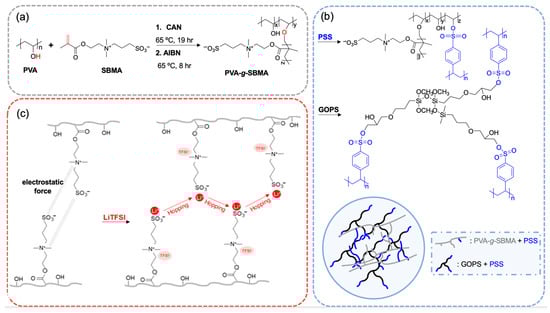
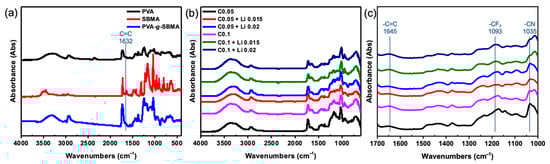
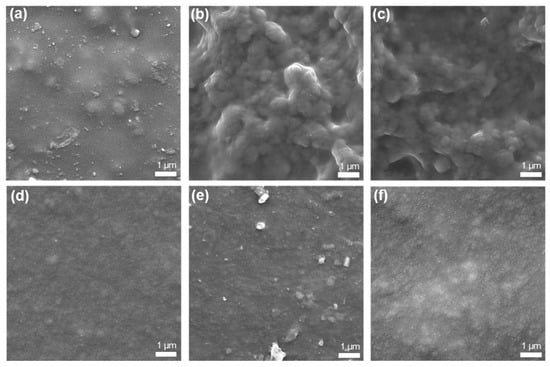
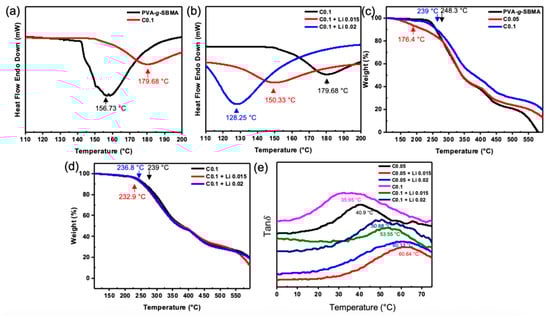
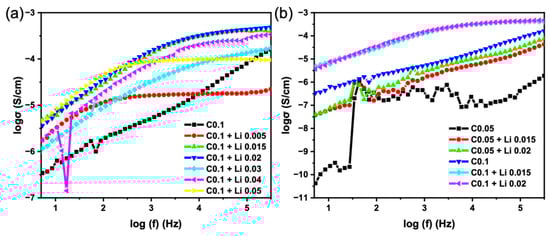
Conventional lithium-ion batteries face issues like electrolyte leakage and interface instability. Solid-state lithium batteries with solid electrolytes address these, while solid-state polymer electrolytes (SPEs) offer safety and flexibility. This study primarily aimed to develop and synthesize a graft copolymer, PVA-g-SBMA, which was successfully synthesized by grafting [2-(methacryloyloxy)ethyl] dimethyl-(3-sulfopropyl)ammonium hydroxide (SBMA) onto poly(vinyl alcohol) (PVA). PVA provided excellent film-forming ability and mechanical strength, enhancing flexibility and stability in solid-state devices. Meanwhile, SBMA’s zwitterionic structure promoted efficient ion transport, improving ionic conductivity and solid electrolyte performance in energy storage applications. From the results, the proton assignment of the PVA-g-PSBMA zwitterionic graft copolymers was investigated via 1H NMR spectra. The molecular weight of the graft copolymer was determined through aqueous GPC; the number average molecular weight (Mn) was 15,755, and the PDI was 1.17. The grafting efficiency of SBMA was calculated as 25%. However, the material lacked sufficient mechanical properties, leading to brittle membranes. To address this issue, we crosslinked the film to improve its mechanical properties. The grafted copolymer was crosslinked with the PEDOT:PSS as a crosslinkable sulfonated component using (3-glycidyloxypropyl)trimethoxysilane (GOPS) as the crosslinker and dimethyl sulfoxide (DMSO) as solvent to complete the crosslinking reaction. The crosslinking mechanism involved the reaction between hydroxyl groups on PVA and PSS, while the GOPS bonded with PSS, forming a robust crosslinked network. The crosslinking process was completed by heating the mixture to 120 °C. We also compared different crosslinking ratios to discuss the film performance. Lithium salts were incorporated to investigate the effect of varying lithium salt concentrations. According to EIS measurements, the best-performing system was crosslinked PVA-g-SBMA with PEDOT:PSS 0.1 wt% and LiTFSI 0.015 wt%, which reached conductivities of 4.9 × 10⁻⁴ S/cm at room temperature. We also explored the film’s thermal properties, morphologies, and chain interactions in this research.
Full article
(This article belongs to the Section Polymer Applications)
►▼
Show Figures

Figure 1
Open AccessArticle
Benchmarking Chemical Hydrolysis and Bacterial Biosynthesis Pathways for Nanocellulose: A Sustainability-Focused Comparative Framework
by
Luis C. Murillo-Araya, Melissa Camacho-Elizondo, Diego Batista Meneses, José Roberto Vega-Baudrit, Mary Lopretti, Nicole Lecot and Gabriela Montes de Oca-Vásquez
Polymers 2026, 18(3), 342; https://doi.org/10.3390/polym18030342 - 28 Jan 2026
Abstract
This study benchmarks two nanocellulose (NC) production architectures: sulfuric-acid hydrolysis of pineapple peel biomass to obtain hydrolyzed nanocellulose (HNC) and microbial biosynthesis of bacterial nanocellulose (BNC) by Rhizobium leguminosarum biovar trifolii in defined media. HNC and BNC were characterized by SEM, FTIR, AFM,
[...] Read more.
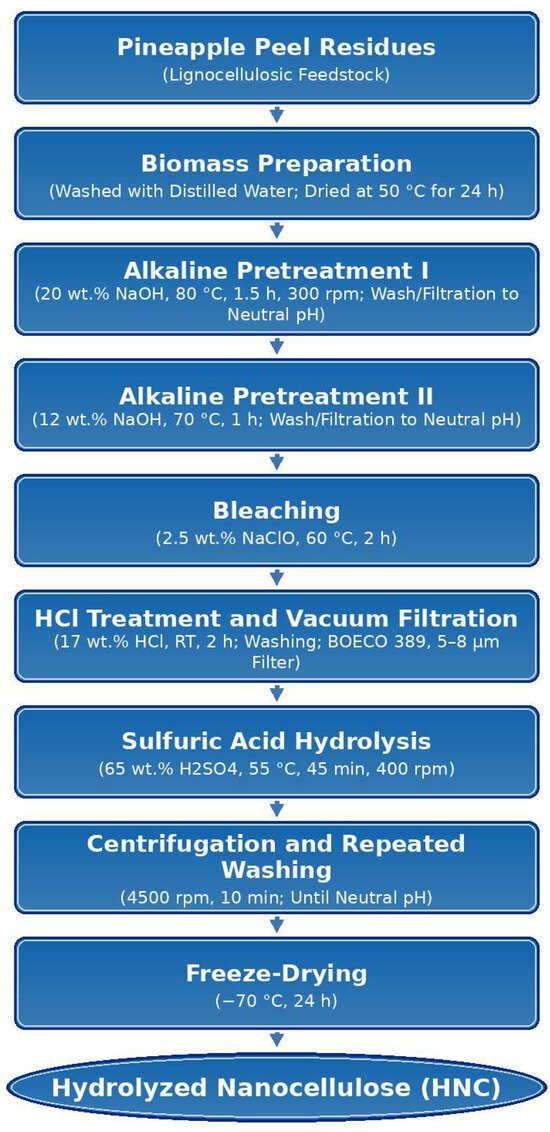
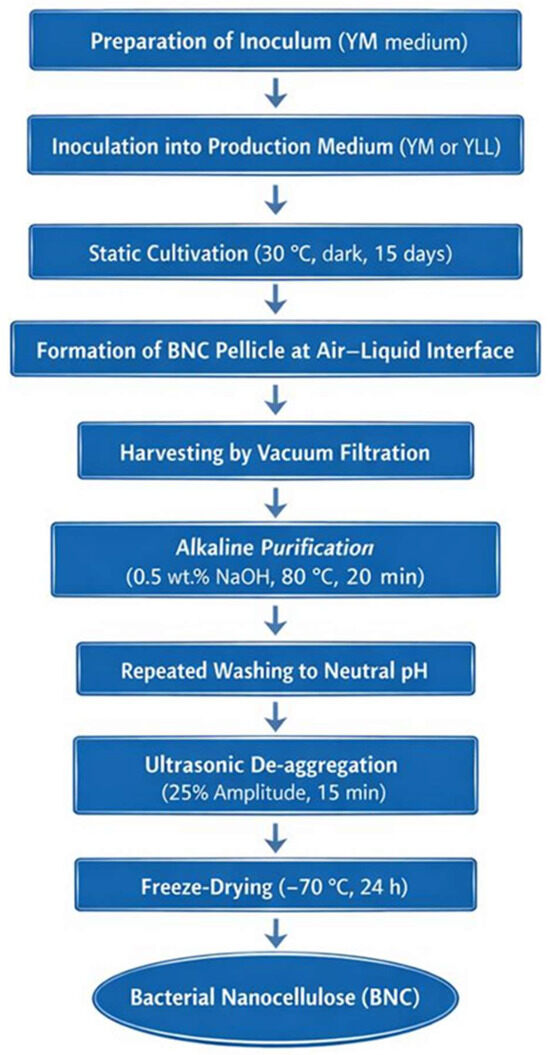
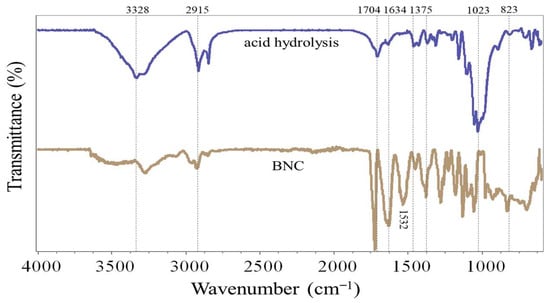
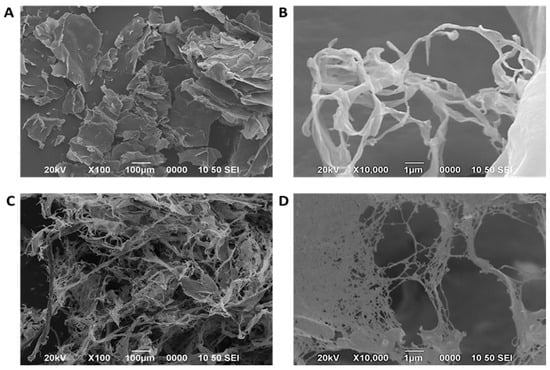
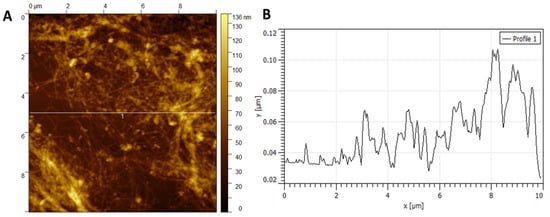
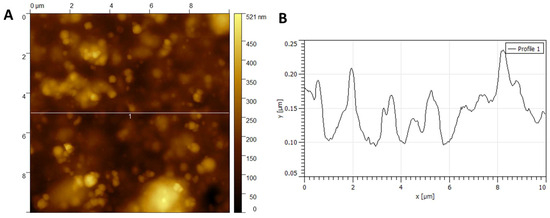
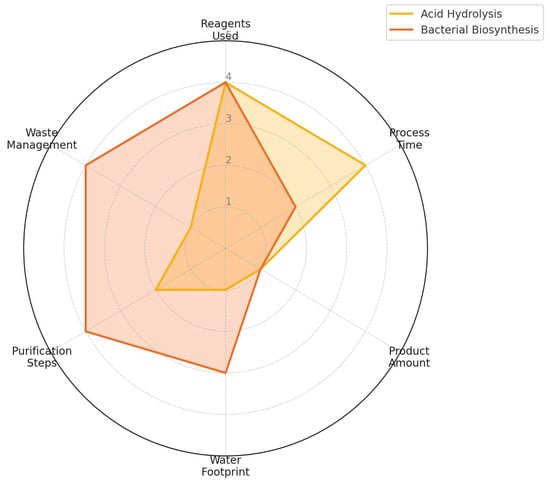
This study benchmarks two nanocellulose (NC) production architectures: sulfuric-acid hydrolysis of pineapple peel biomass to obtain hydrolyzed nanocellulose (HNC) and microbial biosynthesis of bacterial nanocellulose (BNC) by Rhizobium leguminosarum biovar trifolii in defined media. HNC and BNC were characterized by SEM, FTIR, AFM, and ζ-potential, and the routes were compared using a sustainability-focused multicriteria framework. The Visual Integration of Multicriteria Evaluation (VIME) (radar chart + weighted decision matrix) yielded a higher overall score for BNC (66) than HNC (51), driven primarily by lower downstream washing/neutralization water demand (~0.3 L vs. ~14 L per batch), fewer purification stages (~2 vs. ~5), and lower waste hazard. In contrast, HNC performed better in calendar time (~7 vs. ~18 days). AFM revealed route-dependent morphologies: BNC formed a homogeneous nanofiber network (37 ± 9 nm), while HNC formed heterogeneous lamellar fragments (70 ± 12 nm). Route-specific yields were 3.15% (w/w, dry biomass basis) for HNC and 1.065 g/L (culture-volume basis) for BNC. Although a full ISO-compliant Life Cycle Assessment (LCA) and Techno-Economic Analysis (TEA) are beyond the scope of this laboratory-scale study, the defined system boundaries and reported process inventories provide an LCA/TEA-ready template for future mass- and cost-balanced comparisons.
Full article
(This article belongs to the Section Biobased and Biodegradable Polymers)
►▼
Show Figures

Figure 1
Open AccessArticle
Polyphenylene Sulfide-Based Compositions with Solid Fillers for Powder Injection Molding
by
Dmitry V. Dudka, Azamat L. Slonov, Khasan V. Musov, Aslanbek F. Tlupov, Azamat A. Zhansitov, Svetlana Yu. Khashirova and Alexander Ya. Malkin
Polymers 2026, 18(3), 341; https://doi.org/10.3390/polym18030341 - 28 Jan 2026
Abstract
Powder Injection Molding (PIM) is a versatile manufacturing technology widely used for fabricating components with complex geometries from metals and ceramics, yet its application to high-performance thermoplastics remains underutilized. This study explores the feasibility of manufacturing products from Polyphenylene Sulfide (PPS)—a promising linear
[...] Read more.
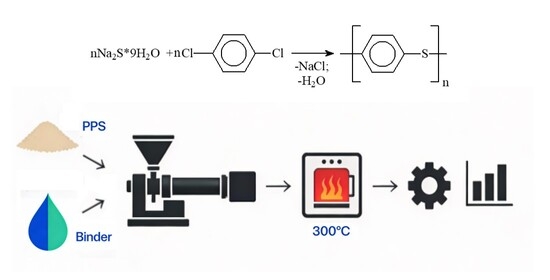
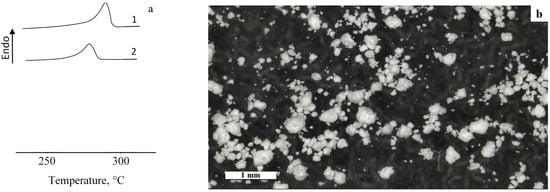
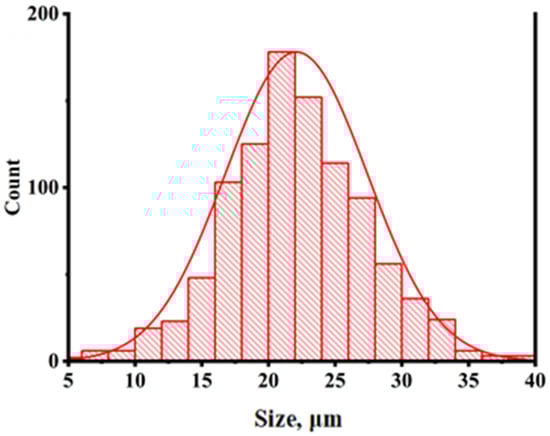
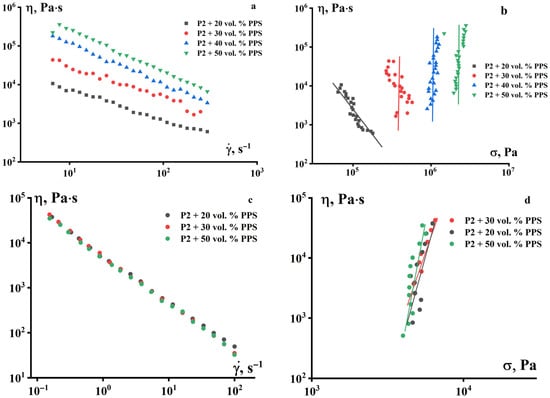
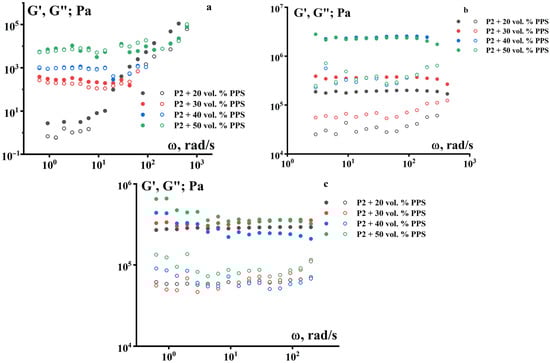
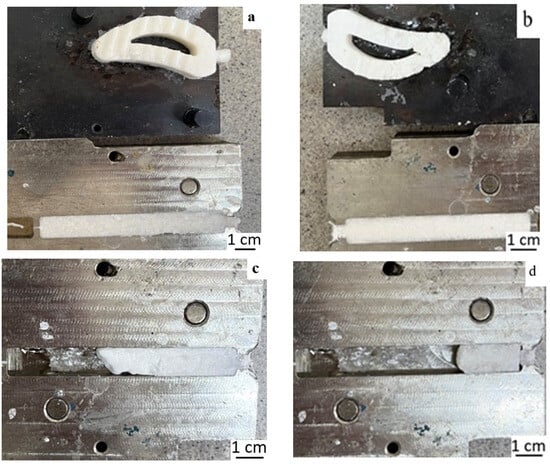
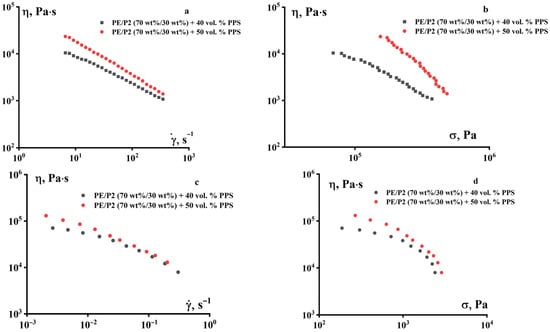
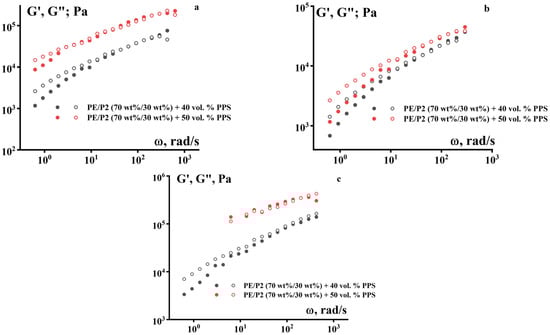
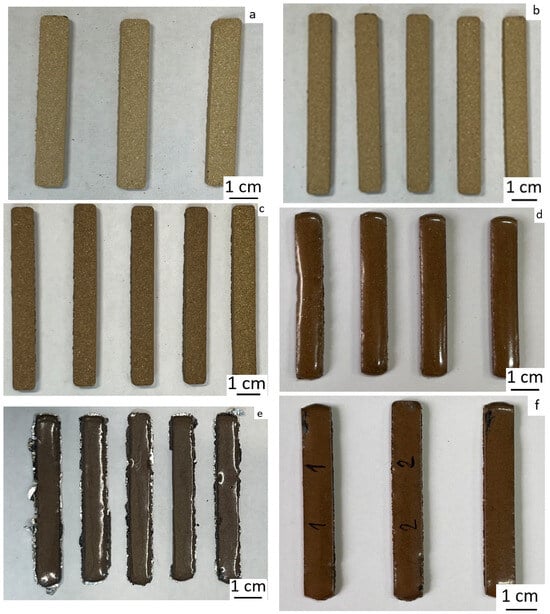
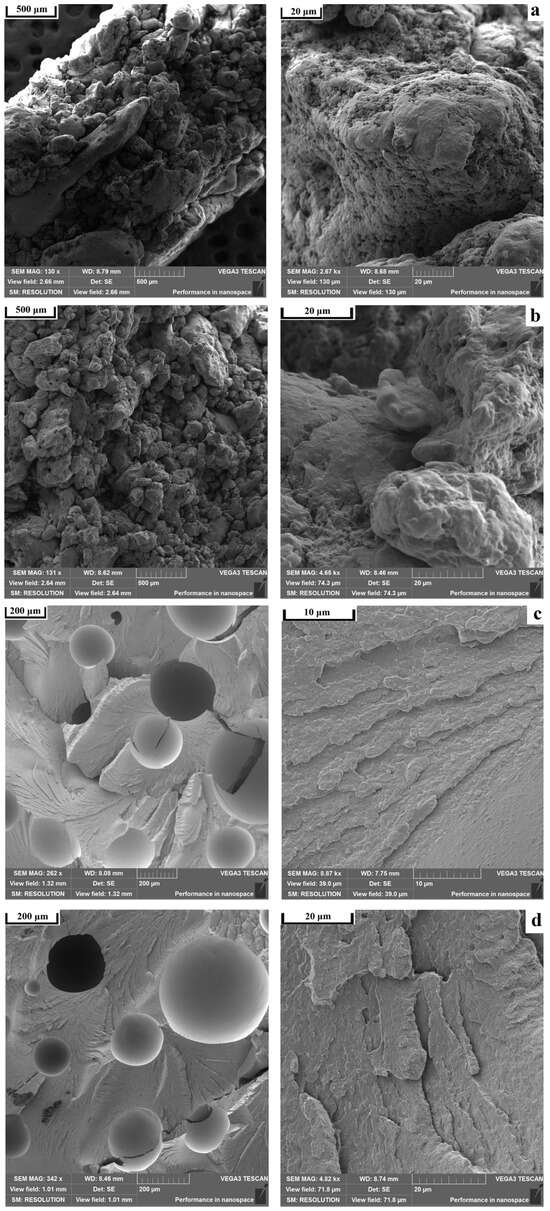
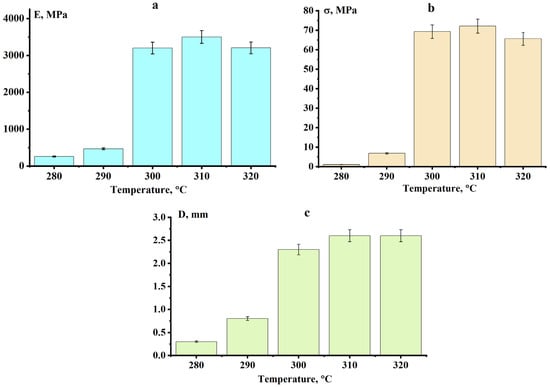
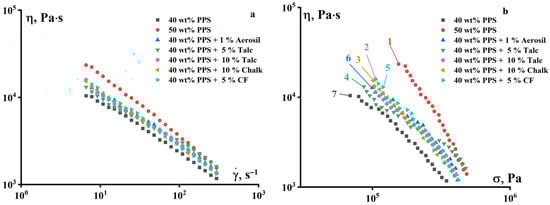
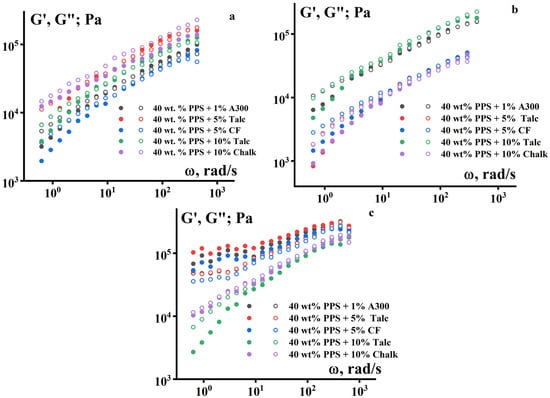
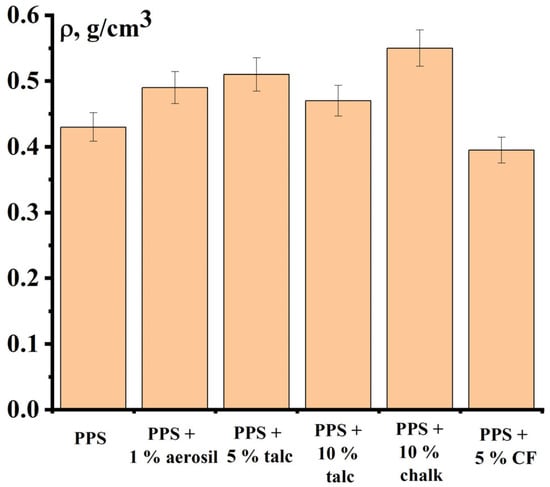
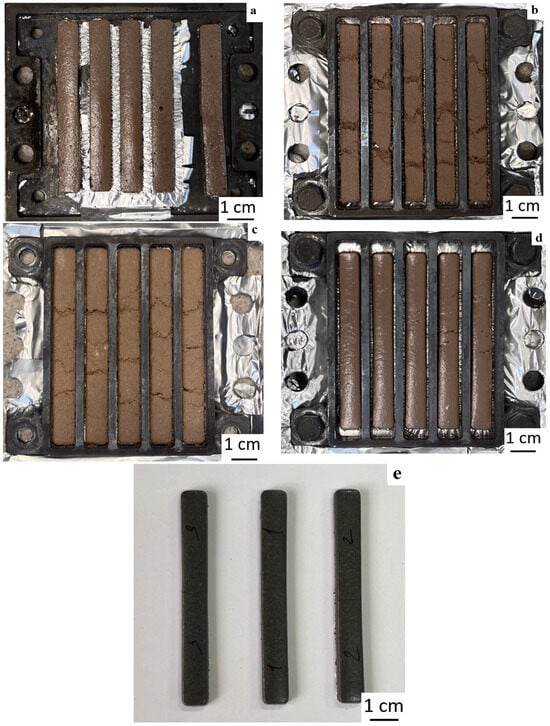
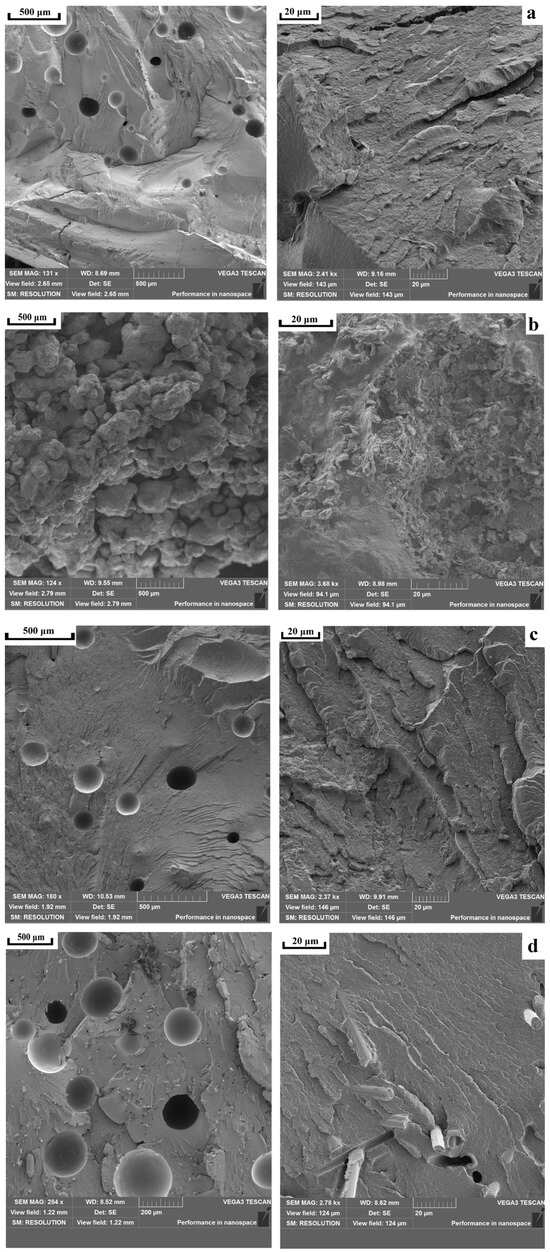
Powder Injection Molding (PIM) is a versatile manufacturing technology widely used for fabricating components with complex geometries from metals and ceramics, yet its application to high-performance thermoplastics remains underutilized. This study explores the feasibility of manufacturing products from Polyphenylene Sulfide (PPS)—a promising linear aromatic polymer synthesized in powder form—using PIM technology and investigates the development of PE-based feedstocks with PPS and solid fillers. Regarding the matrix formulation, it was found that using pure paraffin as a binder limited the maximum PPS content to 20%. Consequently, a modified binder system consisting of Low-Density Polyethylene (LDPE) and paraffin in a 70:30 wt.% ratio was utilized, which successfully increased the PPS loading in the feedstock to 50% and enabled stable molding. Following matrix optimization, the study examined composites incorporating various fillers, including chalk, talc, and carbon fibers. Systematic rheological analysis confirmed that these composite suspensions possess characteristics necessary for molding products with complex geometries. Key results indicate that optimal sintering conditions were established to achieve the required mechanical properties. Among the tested fillers, carbon fibers were the most effective reinforcement, increasing the elastic modulus by 33% and flexural strength by 20%. Representative examples of samples successfully manufactured via this approach are presented.
Full article
(This article belongs to the Section Polymer Processing and Engineering)
►▼
Show Figures

Graphical abstract
Open AccessArticle
Exploring Lemon Industry By-Products for Polyhydroxyalkanoate Production: Comparative Performances of Haloferax mediterranei PHBV vs. Commercial PHBV
by
Salvador García-Chumillas, María Nicolás-Liza, Fuensanta Monzó, Pablo-Manuel Martínez-Rubio, Alejandro Arribas, Rosa María Martínez-Espinosa and Ramón Pamies
Polymers 2026, 18(3), 340; https://doi.org/10.3390/polym18030340 - 27 Jan 2026
Abstract
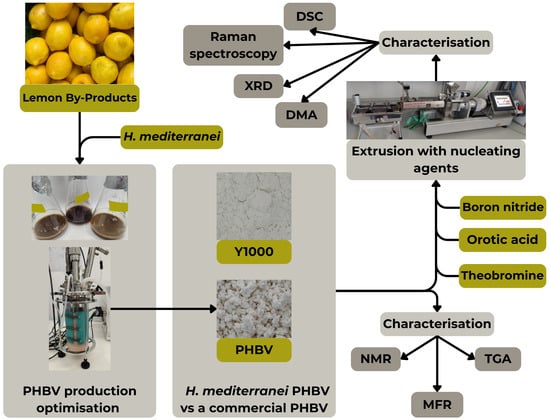
This study investigates the valorisation of lemon industry by-products as carbon sources to produce poly(3-hydroxybutyrate-co-3-hydroxyvalerate) (PHBV) using the halophilic archaeon Haloferax mediterranei. The resulting polymer (HFX PHBV) was supplemented with nucleating agents (orotic acid, boron nitride, and theobromine) and compared with a
[...] Read more.
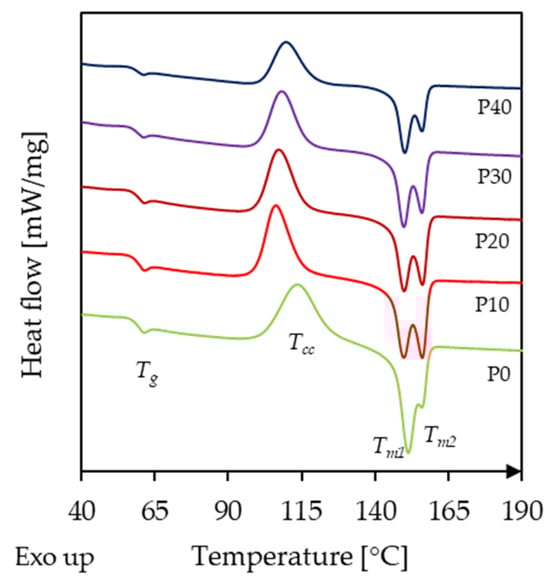
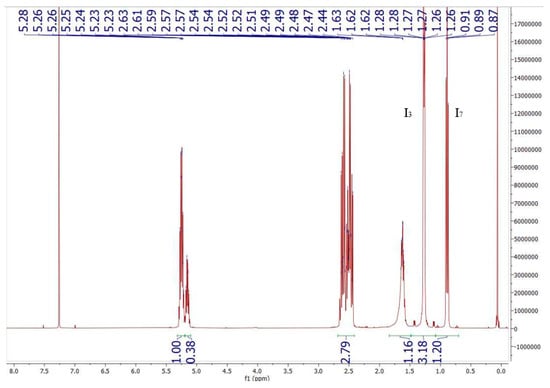
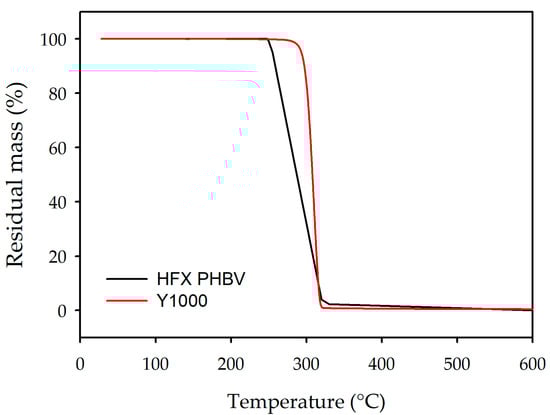
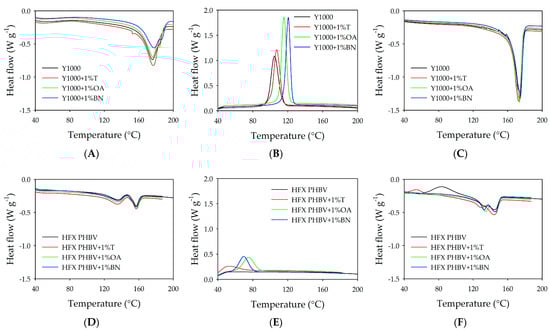
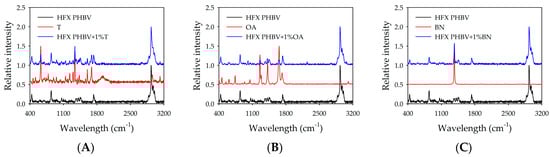
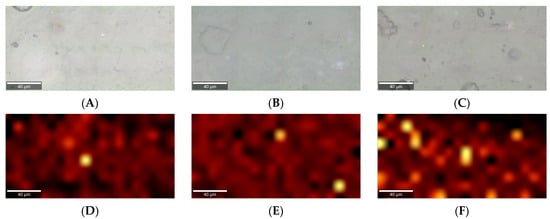
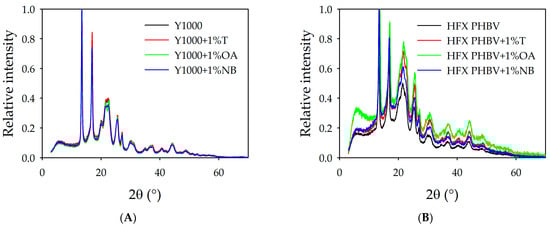
This study investigates the valorisation of lemon industry by-products as carbon sources to produce poly(3-hydroxybutyrate-co-3-hydroxyvalerate) (PHBV) using the halophilic archaeon Haloferax mediterranei. The resulting polymer (HFX PHBV) was supplemented with nucleating agents (orotic acid, boron nitride, and theobromine) and compared with a commercial PHBV grade (Enmat Y1000) under identical conditions. Fermentation strategies were optimised by varying the lemon by-product concentration, inoculum size, and nutrient stoichiometry (C:N:P ratios), followed by scaleup in a 2 L bioreactor. A 11% (v/v) lemon by-product combined with a 5% (v/v) inoculum yielded the highest productivity under minimal medium conditions (2.127 g/L PHBV), while enriched media further enhanced the polymer accumulation (up to 3.250 g/L PHBV). A comparative characterisation of HFX PHBV and Enmat Y1000, using NMR, TGA, MFR, DSC, Raman spectroscopy, XRD, and DMA, revealed that HFX PHBV exhibited lower crystallinity, increased flexibility, and a high hydroxyvalerate content (27.4%), which conferred improved ductility. Investigation of nucleating agents demonstrated that orotic acid was the most effective at enhancing the crystallisation kinetics. Overall, this study demonstrates an efficient PHBV production process based on waste valorisation, yielding a biopolymer with competitive physicochemical properties relative to a commercial standard, and provides integrated solutions to the global challenges of plastic pollution and food waste.
Full article
(This article belongs to the Special Issue Derived Polymers from Biomass and Wastes)
►▼
Show Figures

Graphical abstract
Open AccessArticle
Understanding the Role of PBAT Content and Raster Orientation on the Mechanical Performance of Material Extrusion 3D-Printed PLA/PBAT Objects
by
Sándor Kálmán Jakab, András Lajos Nagy and László Lendvai
Polymers 2026, 18(3), 339; https://doi.org/10.3390/polym18030339 - 27 Jan 2026
Abstract
Poly(lactic acid) (PLA) is the most widely used feedstock in material extrusion (MEX) 3D printing. In this study, PLA was combined with 0–40 wt.% of poly(butylene adipate-co-terephtalate) (PBAT) to improve its ductility. The resulting blends were processed into filaments suitable for MEX 3D
[...] Read more.
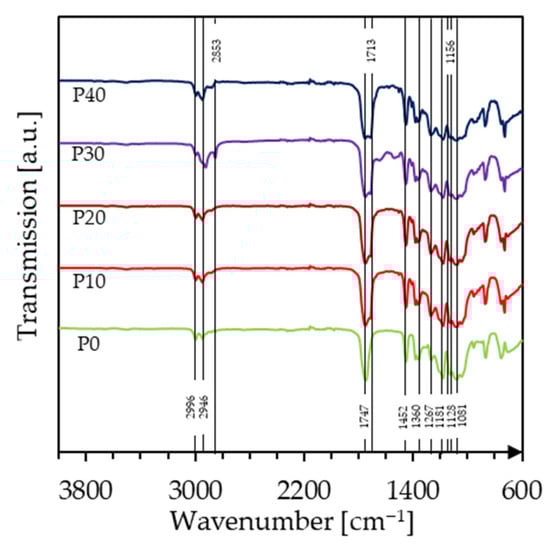
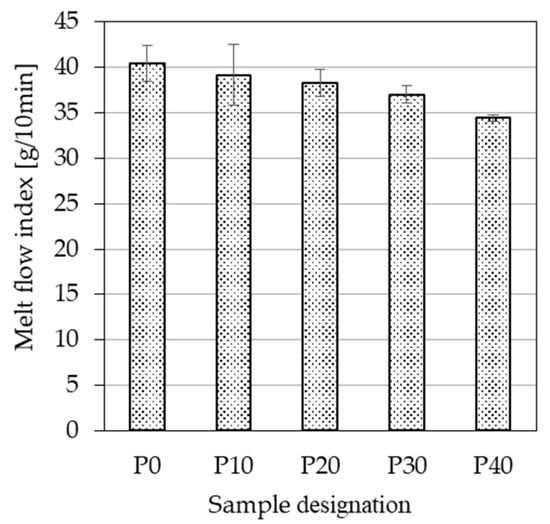
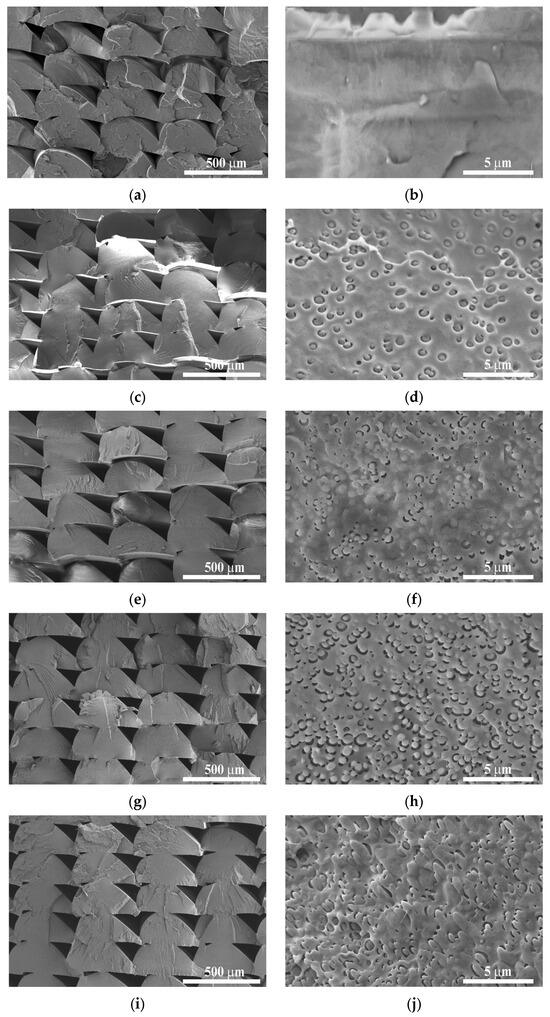
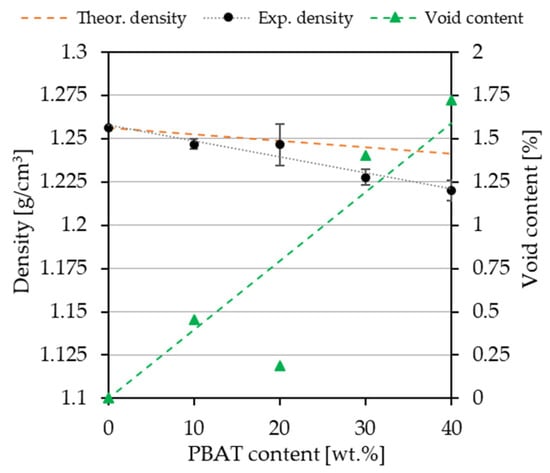
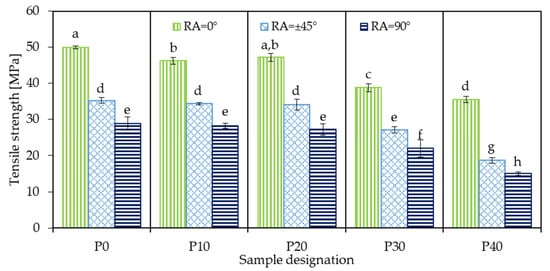
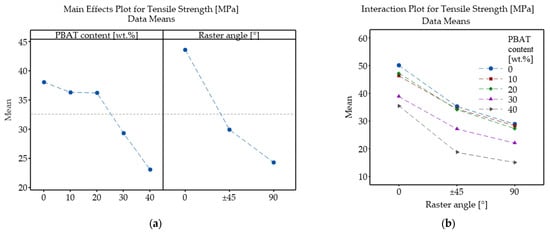
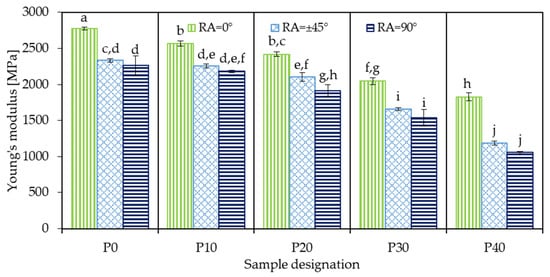
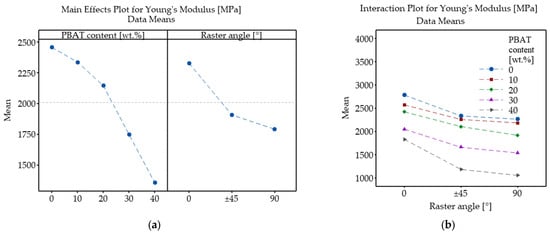
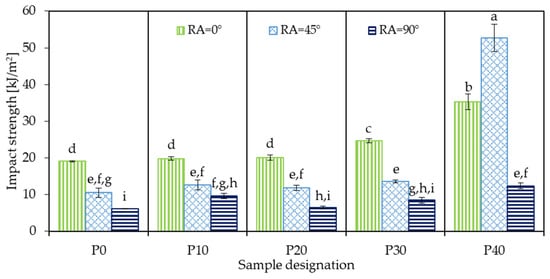
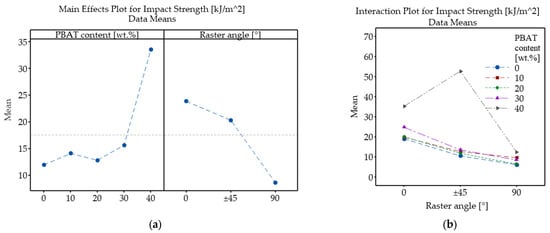
Poly(lactic acid) (PLA) is the most widely used feedstock in material extrusion (MEX) 3D printing. In this study, PLA was combined with 0–40 wt.% of poly(butylene adipate-co-terephtalate) (PBAT) to improve its ductility. The resulting blends were processed into filaments suitable for MEX 3D printing and used to fabricate specimens for mechanical characterization using three distinct raster angles (RAs; 0°, ±45°, and 90°) to statistically evaluate the individual and joint effects of blend composition and raster orientation. Melt flow index (MFI) measurements showed that increasing PBAT content reduced the MFI from 40.4 g/10 min to 34.4 g/10 min, which led to weaker bonding between printed beads, as shown in scanning electron microscopic images. Tensile strength, modulus, and impact strength were evaluated using tensile and Charpy tests. Statistical analysis showed that RA, PBAT concentration, and their interaction all significantly influenced (p < 0.05) mechanical performance. Both strength and modulus decreased as PBAT content and RA increased, with the highest values of 50 MPa and 2.78 GPa observed for neat PLA 3D-printed at 0° RA, and the lowest values of 15 MPa and 1.05 GPa for 40 wt.% PBAT at 90° RA. In contrast, incorporating PBAT improved impact strength, showing its toughening effect. Meanwhile, no clear trend between impact resistance and RA was observed. The highest impact strength (52.7 kJ/m2) was found at 40 wt.% PBAT content and ±45° RA.
Full article
(This article belongs to the Special Issue Smart and Functional Biopolymers)
►▼
Show Figures

Figure 1
Open AccessArticle
High Interfacial Adhesion of PET/Rubber Composites by a New Eco-Friendly Dipping System
by
Aolian Wu, Yanlin Liu, Tong Sun and Mei Shen
Polymers 2026, 18(3), 338; https://doi.org/10.3390/polym18030338 - 27 Jan 2026
Abstract
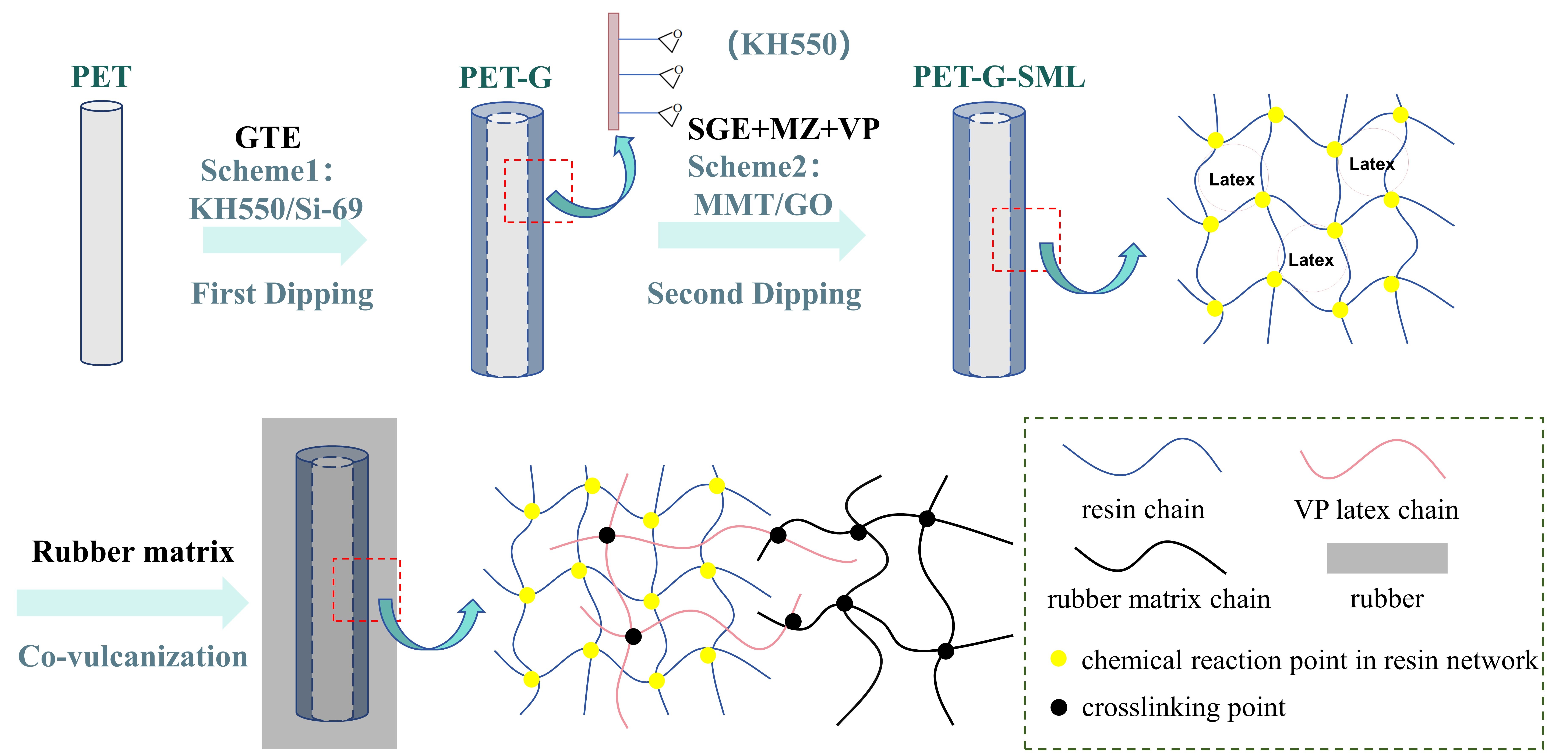
Fiber-reinforced rubber composites (FRRC) are widely employed in critical industries, such as the automotive, aerospace, and construction protection industries, due to their excellent deformation resistance and superior mechanical properties. Polyester (PET) fiber, with its outstanding dimensional stability and cost-effectiveness, has increasingly replaced nylon
[...] Read more.
Fiber-reinforced rubber composites (FRRC) are widely employed in critical industries, such as the automotive, aerospace, and construction protection industries, due to their excellent deformation resistance and superior mechanical properties. Polyester (PET) fiber, with its outstanding dimensional stability and cost-effectiveness, has increasingly replaced nylon as the primary reinforcement in radial tires. However, the lack of polar groups on PET surfaces results in poor interfacial adhesion with rubber matrices, limiting composite performance. Traditional resorcinol–formaldehyde–latex (RFL) dipping systems enhance adhesion but raise environmental and health concerns due to the release of hazardous substances. This study develops a novel eco-friendly γ-Aminopropyltriethoxysilane (KH550)–glycerol triglycidyl ether–sorbitol glycidyl ether–2-Ethyl-4-methylimidazole–latex (KG-SML) dipping system to enhance PET–rubber interfacial adhesion. At an optimal KH550 dosage of 2 phr, the 180° peel force and H pull-out force reached maximum values of 23.5 N/piece and 109.0 N, respectively, significantly surpassing the performance of the conventional RFL system. The KG-SML system offers an effective and sustainable alternative to RFL, with enhanced interfacial performance and less environmental impact.
Full article
(This article belongs to the Section Polymer Fibers)
►▼
Show Figures

Graphical abstract
Open AccessReview
Research Progress in Chitin/Chitosan-Based Biomass Adhesives: Extraction Processes, Composite and Chemical Modification
by
Yizhang Luo, Ziying Zhang, Jiachen Zuo and Libo Zhang
Polymers 2026, 18(3), 337; https://doi.org/10.3390/polym18030337 - 27 Jan 2026
Abstract
Traditional fossil-based adhesives, hindered by issues such as formaldehyde emission, dependence on fossil resources, and poor biodegradability, struggle to meet the global demand for low-carbon green development. Biomass-based adhesives have thus emerged as a core alternative. Among them, chitin/chitosan derived from biomass waste
[...] Read more.
Traditional fossil-based adhesives, hindered by issues such as formaldehyde emission, dependence on fossil resources, and poor biodegradability, struggle to meet the global demand for low-carbon green development. Biomass-based adhesives have thus emerged as a core alternative. Among them, chitin/chitosan derived from biomass waste such as shrimp and crab shells demonstrates significant potential in the adhesive field due to its renewability, controllable structure, biocompatibility, and inherent antibacterial properties. However, mainstream biomass adhesives like soy protein and starch adhesives suffer from poor water resistance and insufficient wet adhesion strength. Pure chitin/chitosan-based adhesive systems also exhibit low wet strength retention. Furthermore, the overall development faces challenges including high extraction costs, insufficient performance synergy, poor industrial compatibility, and a lack of standardized systems. This review follows the framework of “resource–extraction–modification–performance–application–challenges” to systematically summarize relevant research progress. It clarifies the molecular structure and intrinsic advantages of chitin/chitosan, outlines extraction processes such as acid/alkali and enzymatic methods, and characterization techniques including FT-IR and XRD. The review focuses on analyzing modification strategies such as composite modification, chemical modification, biomineralization, and biomimetic design, and verifies the application potential of these adhesives in wood processing, biomedicine, paper-based packaging, and other fields. Research indicates that chitin/chitosan-based adhesives provide an effective pathway for the green transformation of the adhesive industry. Future efforts should concentrate on developing green extraction processes, designing multifunctional integrated systems, and achieving full resource utilization of biomass. Additionally, establishing comprehensive standardized systems and promoting the translation of laboratory research into industrial applications are crucial to driving the industry’s green transition.
Full article
(This article belongs to the Section Biobased and Biodegradable Polymers)
Open AccessReview
Closing the Loop on Personal Protective Equipment: Collection, Polymer Recovery, and Circular Pathways for Post-Consumer PPE
by
Giulia Infurna, Marinella Levi, Loredana Incarnato and Nadka Tz. Dintcheva
Polymers 2026, 18(3), 336; https://doi.org/10.3390/polym18030336 - 27 Jan 2026
Abstract
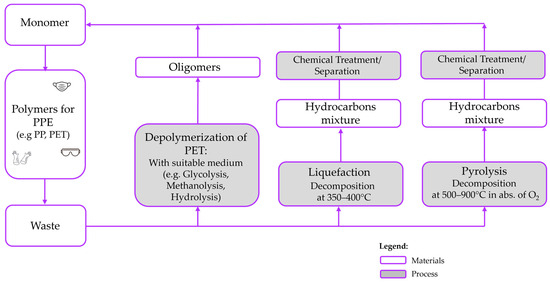
The rapid growth of personal protective equipment (PPE) consumption has generated unprecedented volumes of polymer-based waste, posing a major challenge to the transition from a linear to a circular economic model. The challenges associated with PPE recycling are strongly linked to the sector
[...] Read more.
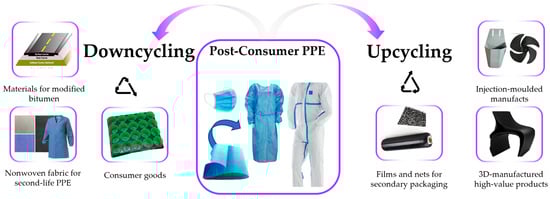
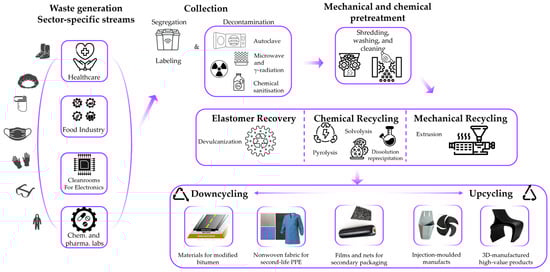
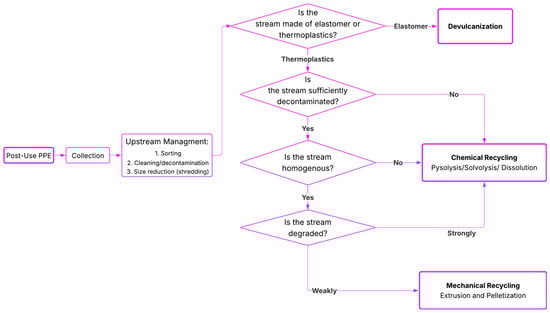
The rapid growth of personal protective equipment (PPE) consumption has generated unprecedented volumes of polymer-based waste, posing a major challenge to the transition from a linear to a circular economic model. The challenges associated with PPE recycling are strongly linked to the sector of origin—including healthcare, laboratories, cleanrooms, and food processing—as this factor determines contamination levels and critically influences subsequent recycling steps. PPE waste originating from the healthcare sector requires stringent decontamination processes, which directly affect the final properties of recycled materials and their suitability for upcycling or downcycling applications. Another decisive factor is source segregation, together with labeling and sorting, given the intrinsic material heterogeneity of PPE, which commonly includes polypropylene (PP) masks, polycarbonate (PC) protective eyewear, and nitrile butadiene rubber (NBR) gloves. Mechanical and chemical recycling routes, including processes specifically developed for elastomeric materials, play a complementary role depending on the cleanliness and composition of the waste streams. The potential for downcycling and upcycling of recycled PPE is closely linked to polymer integrity and process compatibility. When appropriate segregation strategies and tailored recycling technologies are implemented, PPE waste can be effectively diverted from incineration. Under these conditions, PPE—once emblematic of single-use culture—can become a representative example of how complex polymer products may be reintegrated into sustainable material loops, contributing to resource efficiency and circular-economy objectives.
Full article
(This article belongs to the Section Polymer Applications)
►▼
Show Figures

Figure 1
Journal Menu
► ▼ Journal Menu-
- Polymers Home
- Aims & Scope
- Editorial Board
- Reviewer Board
- Topical Advisory Panel
- Instructions for Authors
- Special Issues
- Topics
- Sections & Collections
- Article Processing Charge
- Indexing & Archiving
- Editor’s Choice Articles
- Most Cited & Viewed
- Journal Statistics
- Journal History
- Journal Awards
- Society Collaborations
- Conferences
- Editorial Office
Journal Browser
► ▼ Journal BrowserHighly Accessed Articles
Latest Books
E-Mail Alert
News
22 January 2026
“Do Not Be Afraid of New Things”: Prof. Michele Parrinello on Scientific Curiosity and the Importance of Fundamental Research
4 December 2025
Meet Us at the Polymers 2026: Trends, Innovation and Future Conference, 25–28 June 2026, Nanjing, China
Topics
Topic in
Applied Sciences, Clean Technol., Foods, Materials, Polymers, Sensors
Scientific Advances in STEM: Synergies to Achieve Success, 4th Volume
Topic Editors: Yadir Torres Hernández, Ana María Beltrán Custodio, Manuel Félix ÁngelDeadline: 28 February 2026
Topic in
Applied Sciences, Chemistry, Gels, Nanomaterials, Polymers, Environments, Materials
Functionalized Materials for Environmental Applications
Topic Editors: Luca Burratti, Iole Venditti, Paolo ProspositoDeadline: 30 March 2026
Topic in
Applied Nano, Catalysts, Materials, Nanomaterials, Polymers, Molecules
Application of Nanomaterials in Environmental Analysis
Topic Editors: Yonggang Zhao, Yun ZhangDeadline: 13 April 2026
Topic in
Biomass, Energies, Materials, Molecules, Nanomaterials, Polymers
Biomass for Energy, Chemicals and Materials
Topic Editors: Shaohua Jiang, Changlei Xia, Shifeng Zhang, Xiaoshuai HanDeadline: 24 May 2026
Conferences
Special Issues
Special Issue in
Polymers
Advanced Preparation and Characterization of Polymer-Based Thin Films
Guest Editor: Anita VisanDeadline: 30 January 2026
Special Issue in
Polymers
Application of Polymers in the Field of Civil Engineering: Exploration of Innovative Materials and Cutting-Edge Technologies
Guest Editors: Bowen Guan, Xiaolong SunDeadline: 30 January 2026
Special Issue in
Polymers
3D Printing Polymers: Advancements in Materials and Applications, 2nd Edition
Guest Editors: Yu Zhang, Jiaxiang ZhangDeadline: 31 January 2026
Special Issue in
Polymers
Polymer-Based Composite Structures and Mechanical Metamaterials
Guest Editors: Shaowei Zhu, Lianchao WangDeadline: 31 January 2026
Topical Collections
Topical Collection in
Polymers
Advances in Environmentally Friendly and Sustainable Polymers
Collection Editor: Marco Morreale
Topical Collection in
Polymers
Advances in Polymer Blends and Composites: Chemistry and Technology
Collection Editors: Suguna Perumal, Francesca Lionetto, Pietro Russo, Andrea Zille, Ana María Díez-Pascual
Topical Collection in
Polymers
Polymeric and Biopolymeric Materials: Recovery, Recycling and Reuse
Collection Editors: Sławomir Borysiak, Łukasz Klapiszewski, Teofil Jesionowski